Crystals accumulate energy from the environments they pass through, the people who handle them, and the emotional weight of the situations they’re used in. Cleansing removes that accumulated energy and returns the stone to a neutral, receptive state. Charging goes one step further: it actively restores or amplifies the stone’s own energetic quality, often through sustained exposure to a specific energy source.
The two processes are often discussed together because many methods achieve both simultaneously. Moonlight, for example, cleanses residual energy and charges the stone with lunar energy in a single overnight exposure. Understanding the distinction matters when you need one more than the other — but for most regular maintenance, a good cleansing method doubles as a charge.
What most guides don’t tell you is that not every method suits every crystal. Water damages selenite. Salt corrodes iron-bearing stones. Sunlight fades amethyst. Choosing the wrong method doesn’t just miss the mark — it can actively damage a stone you care about. If you’re just starting out with crystals and building your first collection, knowing which methods are universally safe versus conditionally safe is one of the most practically useful things you can learn early. For the broader context of how cleansing fits into working with crystals generally, our complete guide to healing crystals is worth reading alongside this.
How Often Should You Cleanse Your Crystals?
Before going into methods, it’s worth addressing the timing question — because cleansing too rarely is a real issue, and cleansing anxiety (feeling like you need to constantly cleanse) is also worth avoiding.
A useful working principle: cleanse when the stone has done significant work, when it’s been handled by others, when it feels energetically dull or heavy, or on a regular schedule as maintenance. For everyday carry stones, fortnightly cleansing is a reasonable baseline. For stones in static protective placements, monthly is usually sufficient. For stones used intensively — in healing sessions, through grief or major stress — cleanse after each significant use.
New crystals always benefit from cleansing before first use. They’ve passed through many hands and environments before reaching you, and starting with a clean slate makes the first activation and intention-setting more effective.

Method 1: Running Water
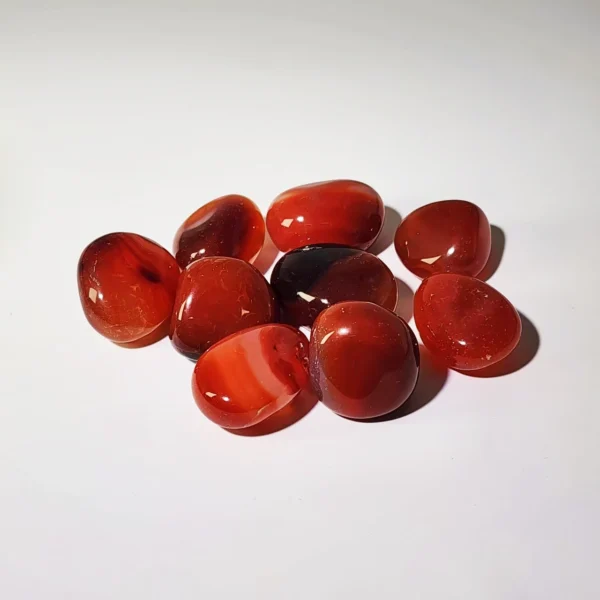
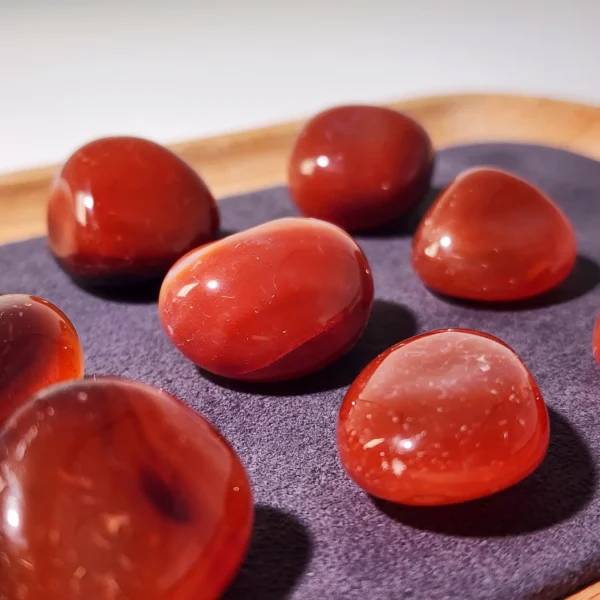
Best for: Clear quartz, obsidian, carnelian, tiger’s eye, smoky quartz, agate. Not suitable for: Selenite, malachite, lepidolite, angelite, halite, calcite, turquoise, opal, and anything with a Mohs hardness below 6
Running water is one of the most intuitive cleansing methods — water has been used symbolically and practically for purification across virtually every culture on earth. The moving quality of running water is considered important: it carries energy away rather than allowing it to pool.
Hold the stone under cool running water — a natural stream is traditional, but a tap works perfectly well — for 30 to 60 seconds. As you hold it, bring the intention of releasing whatever the stone has been holding. Pat it completely dry immediately after, paying attention to any crevices where moisture might sit.
The significant caveat: many common crystals are water-sensitive and should never be cleansed this way. Before using water on any stone you’re not certain about, check our guide to which crystals cannot go in water — the list includes some of the most popular stones in common use, and the damage from water cleansing on sensitive stones is cumulative and irreversible.

Method 2: Smoke Cleansing
Best for: All crystals, without exception. Not suitable for: Not applicable — this method is universally safe
Smoke cleansing is the most versatile method on this list because it works for every crystal regardless of composition, hardness, or water sensitivity. It’s also fast — a thorough cleanse takes under two minutes per stone or a small collection.
The most commonly used materials are sage (white sage for a strong cleanse, garden sage for a gentler version), palo santo, cedar, sweetgrass, and incense. Each has a slightly different energetic quality within traditions that work with smoke cleansing, but for practical crystal maintenance, the differences are secondary to the consistent cleansing effect of the smoke itself.
Light the material, allow it to produce a steady stream of smoke rather than a flame, and pass the crystal through the smoke slowly — two or three passes is sufficient for most stones. As you do this, hold the intention of the smoke carrying away whatever the stone has been holding. For stones in fixed placements around the home, waft the smoke around each piece rather than moving the stones.
Ventilation matters: open a window or door before you begin. This allows the smoke — and what it’s clearing — to move out of the space rather than simply circulating. For a complete step-by-step breakdown of sage cleansing specifically, our full guide to sage cleansing covers the technique in detail.

Method 3: Moonlight
Best for: All crystals, with particular affinity for amethyst, selenite, rose quartz, moonstone, and any light-sensitive stone. Not suitable for: Not applicable — universally safe, though rain exposure during outdoor moonlight is worth avoiding for water-sensitive stones
Moonlight cleansing is the gold standard for light-sensitive and color-sensitive stones precisely because it carries no UV radiation, no heat, and no physical contact — just the gentle, sustained energy of reflected light over several hours.
Place crystals on a windowsill, a balcony, or directly outside on a natural surface overnight. They don’t need to be in direct sight of the moon to receive lunar energy — even an overcast night with diffuse moonlight is effective, and many practitioners find the energy of any clear night sufficient without waiting for the full moon.
Full moon nights carry stronger cleansing energy within this tradition, and the 24–48 hours surrounding the full moon extend the window. But a new moon, a half moon, or any clear night is not wasted — the full moon distinction is one of degree rather than kind.
Leave crystals out overnight and bring them in before direct morning sunlight reaches them if you’re working with light-sensitive stones like amethyst or rose quartz. For everything about timing, duration, and whether different moon phases produce meaningfully different results, our guide to how long to leave crystals in moonlight addresses these questions specifically.
Method 4: Selenite
Best for: All crystals except selenite itself. Not suitable for: Selenite cannot be used to cleanse itself
Selenite is one of the very few crystals considered self-cleansing, and this property extends to other stones placed near or on it. A selenite charging plate, wand, or bowl placed in contact with other crystals will gently but continuously cleanse and raise their energetic state — no timing required, no preparation, and no risk to the stones being cleansed.
This makes selenite the most convenient ongoing cleansing method for most situations. Leave crystals on a selenite plate overnight for a thorough cleanse, or keep frequently used stones resting on or beside selenite between sessions for continuous maintenance.
The scale of selenite you need corresponds roughly to the amount of work you want it to do. A small selenite plate handles a few stones at a time effectively. A larger slab can maintain the energetic quality of a small collection simultaneously. Selenite wands are useful for directing cleansing energy at a specific stone or area without requiring the stone to rest on the selenite directly.
One firm rule: selenite dissolves in water. Never use water to cleanse selenite, and never place selenite near water-cleansing sessions for other stones.

Method 5: Sound
Best for: All crystals, with particular effectiveness for large collections and stones in fixed placements. Not suitable for: Not applicable — universally safe
Sound cleansing works through vibration. A sustained tone — from a singing bowl, a bell, tuning forks, or even vocal toning — passes through the space and through any crystals within it, disrupting and releasing stagnant or heavy energy at a vibrational level.
This is the only method on this list that doesn’t require you to handle each stone individually, which makes it uniquely practical for cleansing large collections, crystals in fixed home placements, and any stones that are difficult to move. Strike a singing bowl near each crystal or allow the tone to resonate through the room, maintaining the sound for at least 30–60 seconds per stone or per area of the room.
Crystal or Tibetan singing bowls are the most commonly used instruments for this purpose. A simple bell or chime works nearly as well for most situations. The specific note or frequency matters less than the sustained resonance — the intention and the physical vibration together are what produce the cleansing effect.

Method 6: Earth and Soil
Best for: Heavily depleted stones, grounding crystals like black tourmaline, smoky quartz, and obsidian, and stones that feel energetically stuck after other methods. Not suitable for: Soft, porous, or water-sensitive stones — soil retains moisture
Returning a crystal to direct contact with earth is one of the oldest cleansing methods across traditions, and it works through the same grounding mechanism that makes earth contact beneficial for humans. The soil draws out accumulated energy and simultaneously reconnects the stone with its geological origin.
Bury the stone in garden soil — or in a pot of natural soil — for 24 hours to several days, depending on how depleted it feels. Mark the spot carefully and use a small cloth bag if you’re concerned about retrieving small stones. After burial, rinse the stone with cool running water (if water-safe) and allow it to dry thoroughly before use.
Earth cleansing is the most thorough method on this list for stones that feel genuinely exhausted — the kind of energetic depletion that lighter methods don’t seem to fully address. It’s not practical as a regular maintenance method, but for a deep reset after intensive work, it’s unmatched.

Method 7: Salt
Best for: Clear quartz, obsidian, agate, jasper — water-safe and non-porous stones. Not suitable for: Any stone containing iron (black tourmaline, pyrite, hematite), porous stones (opal, turquoise, calcite), soft stones (selenite, angelite, lepidolite), or any stone below 6 on the Mohs scale
Salt has been used for purification and protection across cultures for thousands of years, and as a cleansing medium for crystals, it’s effective — but it’s also the method with the most potential to damage sensitive stones, which is why it appears last on this list.
Dry salt cleansing is safer than salt water: bury the stone in a bowl of sea salt or Himalayan salt for several hours, then brush off all residue thoroughly before use. Salt water should be used only for the hardest, most non-porous stones, and never for extended soaking.
If you’re unsure whether a stone is salt-safe, the safer choice is always one of the universally applicable methods above. For the full breakdown of how salt cleansing works, which stones it’s appropriate for, and the precise technique for both dry and wet salt methods, our full guide to salt cleansing covers every detail.
Choosing the Right Method
No single method is best for all situations. Here’s a practical decision framework:
Use smoke or selenite when you’re not certain about a stone’s composition or water safety — both are universally applicable and risk-free.
Use sunlight for the specific list of which stones are safe and for exactly how long. Our complete sunlight cleansing guide covers every variable
Use moonlight for light-sensitive stones like amethyst and rose quartz, and for any stone where you want a thorough overnight cleanse without handling.
Use running water only for stones you’ve confirmed are water-safe, and only briefly.
Use sound when cleansing a large collection of stones in fixed placements that you don’t want to move.
Use earth when a stone feels genuinely depleted, and lighter methods haven’t fully restored it.
Use salt only for confirmed salt-safe stones, with dry salt as the safer option over salt water.
Use Energy amplification tools — Vogel Crystal Pyramid and crystal grids.
When in doubt, smoke cleansing is the universally applicable default — it works for every crystal, takes under two minutes, and carries no risk of physical damage regardless of the stone’s composition.
If you’re cleansing a stone used for love or self-love work — especially one that’s absorbed a lot during a hard emotional stretch — our guide to crystals for love covers how often that category needs cleansing specifically.
FAQ
How often should I cleanse my crystals? For everyday carry stones, fortnightly is a reasonable baseline. For stones in static home placements, monthly is usually sufficient. For stones used intensively or after emotionally significant periods, cleanse after each major use. New crystals should always be cleansed before first use.
Do I need to cleanse brand-new crystals? Yes. New crystals have passed through mines, processors, wholesalers, shops, and multiple pairs of hands before reaching you. Cleansing before first use removes accumulated energy from that journey and gives you a clean foundation for setting your own intention.
Can I cleanse multiple crystals at the same time? Yes, with method-dependent considerations. Smoke cleansing and sound both work on multiple stones simultaneously. Moonlight cleansing handles as many stones as you can lay out. Selenite plates cleanse all stones resting on them simultaneously. Water and salt require individual handling and compositional checks for each stone.
What’s the difference between cleansing and charging? Cleansing removes accumulated or residual energy — it resets the stone to neutral. Charging actively restores or amplifies the stone’s own energetic quality. Many methods achieve both: moonlight cleanses and charges in one session. For most regular maintenance purposes, a good cleansing method is sufficient without needing a separate charging step.
How do I know when my crystal needs cleansing? The most commonly reported indicators are: the stone feels energetically dull or heavy compared to how it normally feels; you’ve been through an emotionally demanding period while using it; someone else has handled it significantly; or you simply feel intuitively that it needs attention. Regular maintenance on a schedule removes the guesswork.
Can crystals cleanse each other? Selenite can cleanse other crystals placed near it — this is a genuine and widely used approach. Most other crystals don’t have this quality and can’t meaningfully cleanse each other. Placing an uncleansed crystal next to a recently cleansed one doesn’t compromise the clean one, but it also doesn’t cleanse the other.