Salt is one of the oldest and most potent cleansing materials across traditions — and one of the most commonly misused in crystal care. Used correctly on the right stones, it produces a thorough energetic reset that works faster than moonlight and more deeply than a quick smoke pass. Used on the wrong stones, it causes irreversible surface damage, pitting, and structural deterioration that no amount of polishing can undo.
The distinction between safe and unsafe salt use comes down to two variables: which stone you’re working with, and whether you’re using dry salt or salt water. Both methods have specific applications — and specific stones they should never touch. This guide covers both in full. For context on how salt compares to all seven crystal cleansing methods, that overview is the starting point if you’re building a complete cleansing routine.
Why Salt Cleanses Crystals
Salt’s cleansing reputation isn’t arbitrary. Sodium chloride is naturally hygroscopic — it draws moisture to itself — and this same drawing quality is understood energetically as the mechanism through which it draws accumulated energy from a stone. Salt has been used for purification, preservation, and protection across cultures for thousands of years, from ancient Egyptian ritual use to the salt lines used in folk protective traditions across Europe and Asia.
At a practical level, the abrasive quality of salt crystals also provides mild physical cleaning of stone surfaces, which can contribute to the sense of freshness after a salt cleanse. The energetic and physical effects work together.
The reason salt causes damage to certain stones is also straightforward: salt is corrosive to many mineral compounds, particularly those containing iron, copper, or soluble elements. It’s abrasive to soft or porous surfaces. And when mixed with water, it creates a solution that penetrates surface cracks and fissures in ways that plain water alone doesn’t — accelerating damage that would otherwise take much longer.
Crystals That Can Use Salt Safely
These stones have the hardness, density, and mineral stability to handle both dry salt and brief salt water exposure without meaningful damage:
Clear quartz: Mohs 7, non-porous, no reactive mineral compounds. Handles both dry and wet salt cleansing without issue. The most salt-tolerant of common crystals.
Smoky quartz: Same structure as clear quartz, same salt tolerance. Dry salt and brief salt water are both appropriate.
Obsidian: Volcanic glass, non-porous, chemically stable. Handles salt well. Avoid extended saltwater soaking on pieces with natural inclusions or fractures.
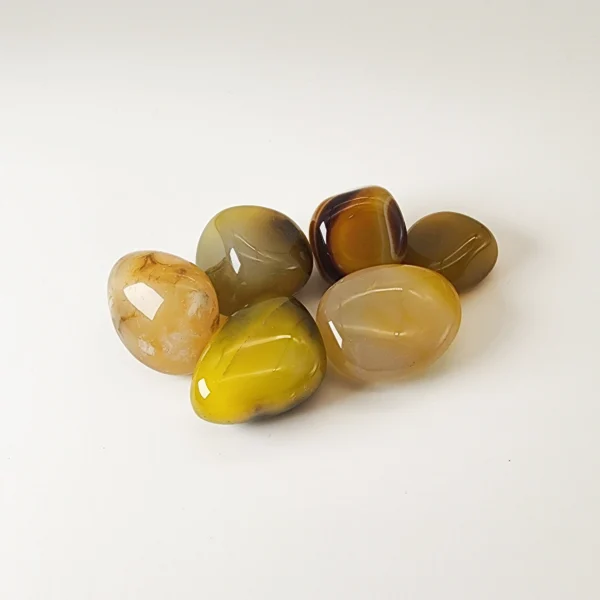
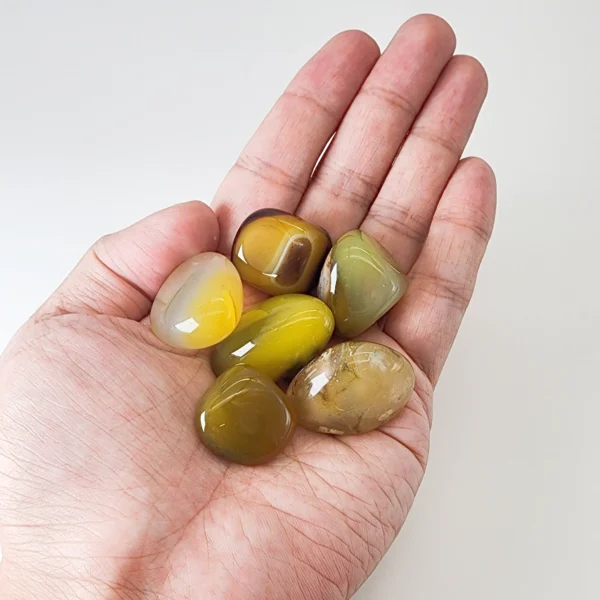
Agate: Microcrystalline quartz, typically dense and non-porous. Most agate varieties handle salt cleansing safely.
Carnelian: Iron oxide coloration in a quartz base — the iron oxide is stable under salt contact, unlike free iron in metallic minerals. Dry salt appropriate; brief salt water with thorough rinsing.
Jasper varieties: Dense, fine-grained quartz family. Most jaspers are salt-appropriate. Exception: porous jasper varieties may absorb salt solution — dry salt is the safer choice.
Tiger’s eye: Dense, fibrous quartz structure. Handles dry salt without issue; brief salt water is generally fine.
Crystals That Cannot Use Salt
This is the list that matters most, and it’s longer than most people expect. Salt — including dry salt that isn’t dissolved in water — causes damage to all of these:
Any stone containing free iron: Black tourmaline, pyrite, hematite, magnetite. Salt accelerates iron oxidation, causing rust-coloured staining and surface deterioration. Even dry salt contact over time draws enough ambient moisture to begin oxidation.
Copper-bearing stones: Malachite, azurite, chrysocolla. Salt reacts with copper compounds, causing leaching of copper into solution and surface damage to the stone. Malachite, particularly, its surface is genuinely vulnerable to any contact with saline solution.
Porous stones: Turquoise, opal, calcite, celestite. Salt solution penetrates porous surfaces and crystallises within the stone as it dries, causing internal stress that propagates fractures over time.
Soft stones (below Mohs 6): Selenite, angelite, lepidolite, fluorite, calcite, gypsum-based stones. The abrasive quality of salt physically damages their surfaces. Selenite is the critical one — it’s gypsum, which salt solution dissolves. Contact with salt water causes selenite to literally break down.
Any stone with surface treatments or dyes: Many lower-priced crystals have surface coatings, dyes, or stabilising treatments that salt removes. This includes many commercial aura quartz varieties and colour-enhanced stones.
For the complete overlapping list of stones sensitive to both water and salt — and why the two vulnerabilities so often co-occur — our full list of crystals that shouldn’t contact water or salt covers the reasoning behind each stone’s inclusion.

Method 1: Dry Salt Cleansing
Dry salt cleansing is the safer of the two methods and appropriate for all salt-tolerant stones. It provides a thorough, energetic cleanse without the surface penetration risks of salt water.
What you need: Sea salt or Himalayan pink salt, a ceramic or glass bowl large enough to partially bury the stone, and a soft brush for removing residue afterward. Avoid metal bowls — salt corrodes many metals and can transfer that reactivity to the stone.
Step 1: Fill the bowl with dry salt. One to two inches of salt is sufficient. You don’t need to submerge the stone completely — partial burial works as effectively as full burial.
Step 2: Set your intention. Before placing the crystal, hold it briefly and bring a clear intention of clearing to mind. Salt cleansing is particularly effective for releasing heavy or dense accumulated energy — naming specifically what you want released makes the process more directed.
Step 3: Place the crystal in the salt. Press it gently into the salt so it’s partially embedded. Leave it for a minimum of one hour for a basic cleanse; four to eight hours for a thorough cleanse; overnight for a deep reset.
Step 4: Remove and brush thoroughly. Use a soft dry brush — a clean makeup brush or a soft paintbrush works well — to remove all salt residue from the surface and any crevices. Don’t rinse with water immediately after salt contact if the stone is at all moisture-sensitive. Allow the stone to sit in open air for 30 minutes before any water contact.
Step 5: Dispose of the salt. Used cleansing salt has absorbed accumulated energy and shouldn’t be reused. Dispose of it away from the home — traditionally, it’s dissolved in running water or scattered on the earth away from the property.
Method 2: Salt Water Cleansing
Salt water produces a more intense cleanse than dry salt for appropriate stones — the solution penetrates surface texture and carries energy away actively. It’s also higher risk and should only be used with confirmed salt-tolerant and water-tolerant stones.
What you need: Sea salt or Himalayan salt dissolved in clean water — approximately one tablespoon per cup of water. A glass or ceramic bowl. The stone must be both salt-safe and water-safe before using this method.
Step 1: Dissolve the salt completely. Add salt to cool water and stir until fully dissolved. Room temperature or slightly cool water is appropriate — hot water risks thermal stress in most stones.
Step 2: Submerge the stone. Place the stone in the salt water solution. For a basic cleanse, five to ten minutes is sufficient. For a more thorough cleanse, up to one hour is appropriate for the most salt-tolerant stones like clear quartz.
Step 3: Rinse thoroughly with plain water. After removing the stone from the salt water, rinse it under cool running water for at least 30 seconds to remove all salt residue. Salt left to dry on a stone surface continues to act on it — thorough rinsing isn’t optional.
Step 4: Dry completely and immediately. Pat dry with a soft cloth and allow to air dry fully before storing. Any residual moisture trapped in surface texture can continue to create conditions for salt-related surface changes even after the cleanse is complete.

After the Cleanse: Charging
Salt cleansing is a thorough energetic reset — it clears more completely than many other methods. The stone is in an energetically neutral state afterward and ready to be charged for its intended purpose.
The most effective follow-up to a salt cleanse is moonlight as a charging method — leave the stone on a windowsill or outside overnight to restore its own energetic quality from that neutral baseline. The combination of deep salt cleansing followed by moonlight charging is one of the most complete reset and restoration sequences available.
If you’ve used salt cleansing after an emotionally intense period or to clear a stone that was feeling particularly heavy, this two-step sequence — salt cleanse followed by moonlight charge — is the standard approach for a full reset before reactivating the stone for a new purpose.
Safe Alternatives for Salt-Sensitive Stones
The majority of commonly used crystals fall into the salt-sensitive category. For these stones, smoke cleansing with sage or palo santo is the universally applicable alternative — it works on every crystal without exception, takes under two minutes, and produces a genuinely thorough energetic cleanse without any risk of physical damage regardless of the stone’s composition.
Moonlight and selenite are the other reliable alternatives for salt-sensitive stones. For a stone like selenite itself — which is damaged by both water and salt — smoke and moonlight are the only appropriate methods.

FAQ
Is sea salt or Himalayan salt better for cleansing crystals? Both are effective. Sea salt is the traditional choice and works well. Himalayan pink salt has become widely used and produces the same cleansing effect. The mineral trace differences between them are not meaningful for crystal cleansing purposes — choose based on what you have available.
Can I reuse salt after cleansing crystals? No. Used cleansing salt has absorbed accumulated energy from the stone and shouldn’t be repurposed for cooking, bathing, or further crystal cleansing. Dispose of it by dissolving in running water or scattering it on earth away from the home.
Is salt water or dry salt more effective? Salt water penetrates the stone’s surface more actively and produces a more intense cleanse for appropriate stones. Dry salt is gentler and safer, suitable for a wider range of stones, and appropriate for regular maintenance cleansing. For a deep reset, salt water is more thorough on stones that can handle it. For weekly or monthly maintenance, dry salt is the better default.
How long should I leave crystals in salt? For dry salt: one hour for basic cleansing, four to eight hours for thorough cleansing, and overnight for deep reset. For salt water: five to ten minutes is sufficient for most stones; up to one hour for the most salt-tolerant varieties like clear quartz.
Can I leave crystals in salt indefinitely? No. Extended contact — days or weeks — risks physical surface changes even on salt-tolerant stones. Salt left in contact with any stone for extended periods will eventually find and act on any surface irregularity or micro-fracture. Stick to the time guidelines above.
What should I do if I accidentally used salt on a salt-sensitive stone? Remove the stone from the salt immediately. Rinse thoroughly with clean water if the stone is also water-tolerant, then dry completely. Inspect the surface for any visible pitting or discolouration. Damage from brief accidental contact is often minimal — the risk comes from extended or repeated exposure. Switch to smoke cleansing or moonlight for that stone going forward.