What crystals are good for third eye meditation?
Amethyst, lapis lazuli, labradorite, sodalite, and clear quartz are commonly associated with third eye meditation and intuitive reflection. Choose one crystal that feels comfortable to hold, then use it as a physical or symbolic focus during a quiet meditation. These associations come from crystal traditions rather than established scientific evidence.
The third eye is often described as the place of intuition, inner awareness, and deeper reflection. In crystal traditions, certain stones are associated with this area and are commonly used during meditation.
If you’ve been searching for crystals third eye meditation practices, you may already have a sense of what you’re looking for: something that helps you slow down, turn inward, and become more aware of your own thoughts and intuition.
You don’t need an elaborate ritual to begin.
One crystal, a quiet space, and a few minutes of uninterrupted attention can be enough.
What Is the Third Eye?
In many spiritual traditions, the third eye is connected with the Ajna chakra, located around the center of the forehead.
It is commonly associated with intuition, inner vision, awareness, and reflection.
Crystal practices use this symbolism as a way to create a more focused meditation experience. From a scientific perspective, however, there is no established evidence that crystals can activate or physically open a chakra.
That distinction doesn’t mean the practice can’t be meaningful.
A crystal can serve as a tactile reminder to slow down and pay attention to your inner experience.

7 Crystals for Third Eye Meditation
1. Amethyst — For Quiet Reflection
Amethyst is probably one of the most familiar choices for third eye meditation.
It is traditionally associated with spiritual awareness, calm, and intuition.
Try holding a smooth amethyst palm stone while focusing on your breathing. Rather than trying to “see” something, simply notice your thoughts as they appear and disappear.
This makes amethyst especially approachable for beginners.
2. Lapis Lazuli — For Inner Insight
Deep blue lapis lazuli has a long history of symbolic associations with wisdom and inner truth.
During meditation, it can represent a desire to understand yourself more honestly.
Hold the stone and ask yourself a simple question:
What am I avoiding noticing right now?
Don’t force an answer.
Give yourself a little space to listen.
3. Labradorite — For Intuition
Labradorite is often chosen in crystal traditions for intuition, transformation, and inner exploration.
Its shifting blue and green flashes also make it naturally engaging to observe.
During meditation, place a small labradorite stone in your hand and focus on one question or feeling.
The purpose isn’t to predict the future.
Instead, let the crystal mark a moment when you deliberately turn your attention inward.
4. Sodalite — For Clear Thinking
Sodalite is traditionally associated with intuition, truth, and rational thought.
That combination makes it an interesting choice when your goal isn’t simply to relax but to create some mental space around a difficult question.
If your thoughts feel tangled, try sitting quietly with sodalite and focusing on one question at a time.
Sometimes clarity comes from slowing down rather than searching harder.
5. Clear Quartz — For Focused Intention
Clear quartz doesn’t belong exclusively to the third eye, but its traditional association with clarity makes it a versatile meditation crystal.
It’s a good option if you’re not sure which stone to choose.
Hold a clear quartz point or palm stone and set a simple intention before beginning.
For more guidance, see our article on setting intentions with crystals.
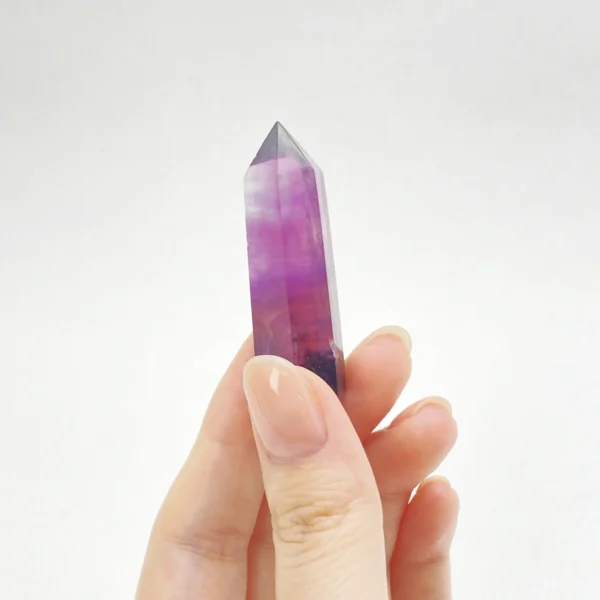
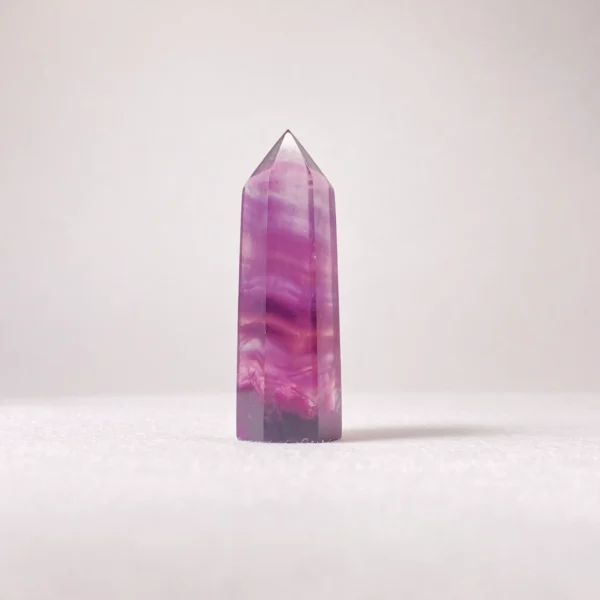
6. Fluorite — For Mental Clarity
Fluorite is often associated with focus, organization, and mental clarity in crystal traditions.
It can be particularly appealing when your version of “third eye work” is less about mystical experiences and more about stepping back from mental noise.
Try holding fluorite while observing your thoughts without immediately following them.
Notice.
Pause.
Return to your breath.
7. Moonstone — For Inner Reflection
Moonstone is commonly connected with cycles, intuition, and emotional reflection.
Its softer symbolism makes it a natural companion for meditations centered on self-awareness rather than intense visualization.
You might use moonstone when asking:
What do I need to understand about myself today?
Let the question remain open.

How to Use Third Eye Crystals in Meditation
You don’t need a complicated setup.
Start by choosing one stone.
Sit somewhere comfortable and hold it gently in your hand. Close your eyes if that feels comfortable, then take several slow breaths.
Bring your attention to the area between your eyebrows—not because you need to force an unusual sensation, but simply as a point of focus.
You can then:
- Follow your natural breathing
- Observe your thoughts
- Repeat a simple intention
- Visualize a soft indigo light if visualization feels natural
- Sit quietly for five to ten minutes
If you want more guidance on hand-held meditation, explore our guide to the best crystals to hold during meditation.

Should You Use More Than One Third Eye Crystal?
You can, but you don’t need to.
For beginners, one crystal is usually easier.
Using several stones can turn the practice into a search for the “right” combination when the real purpose is to become more attentive.
Choose one stone.
Give it your attention.
Let the practice become familiar before adding anything else.
If you do want to explore a combination of stones, our guide to meditating with multiple crystals explains how to keep a multi-crystal practice focused rather than complicated.
What Does “Third Eye Awakening” Actually Mean?
The phrase can sound more dramatic than the practice itself.
For many people, third eye work simply means developing greater awareness of their thoughts, patterns, feelings, and intuition.
You don’t need to experience visions or unusual sensations.
Sometimes awakening looks much more ordinary.
You notice that you’re reacting to something differently.
You recognize a pattern you’ve repeated before.
You become more comfortable sitting with uncertainty.
Those moments can be meaningful without needing to be supernatural.

FAQ
What crystals are best for third eye meditation?
Amethyst, lapis lazuli, labradorite, sodalite, clear quartz, fluorite, and moonstone are commonly associated with third eye meditation. The best choice is the one that feels meaningful and comfortable for your practice.
Can crystals really open the third eye?
There is no scientific evidence that crystals physically open or activate the third eye. Their value in meditation can instead come from symbolism, personal meaning, and their role as a physical focus.
Where should I place a crystal during third eye meditation?
You can hold the crystal in your hand or place it nearby. Some spiritual practices place a crystal on the forehead, but this isn’t necessary for meditation.
How long should I meditate with a third eye crystal?
If you’re new to meditation, five to ten minutes is enough to begin. Consistency matters more than making each session long.
Conclusion
Third eye meditation doesn’t need to be mysterious or complicated.
Choose a crystal that resonates with your intention, find a comfortable place to sit, and give yourself a few quiet minutes to look inward.
Amethyst may remind you to slow down.
Lapis lazuli may symbolize wisdom.
Labradorite may represent intuition and exploration.
But the crystal doesn’t need to provide the insight for you.
Sometimes the most valuable part of crystals for third eye meditation is simply creating a moment when you stop, breathe, and listen to yourself.
The practice begins there.