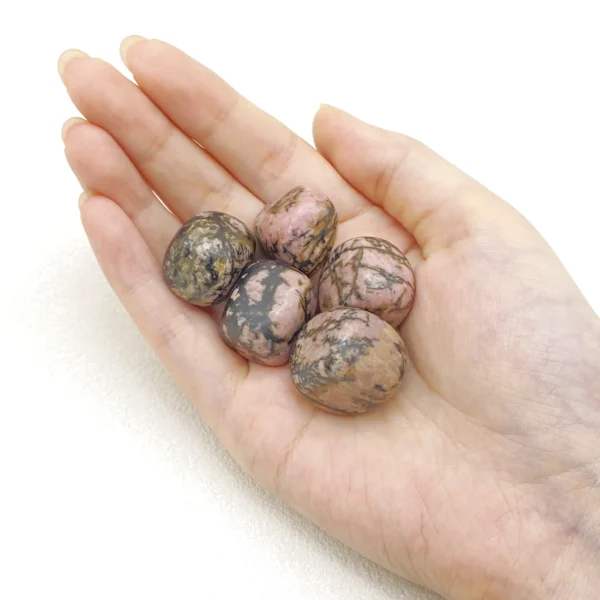
The most effective black tourmaline placement in your home starts at the entry points — front door, back door, and main windows — then extends inward to specific rooms based on their function and the energy they tend to accumulate. Placing black tourmaline randomly around a home produces some benefit. Placing it with intention at the right positions produces noticeably more.
This guide gives specific placement recommendations for each area of the home, the logic behind each position, and how to build a comprehensive protection layout without needing dozens of pieces. Black tourmaline’s protective properties and how the stone works at an energetic level is worth understanding before deciding on placement — the logic behind each recommendation here makes more sense with that foundation.
Before You Place Anything: Activate First
A piece of black tourmaline placed without activation works like a lock that hasn’t been set. The protective capacity is there, but it isn’t directed.
Before placing any piece in a protective position, activate each piece before placing it — cleanse it, hold it with a specific intention for that location, and place it deliberately. Five minutes per piece is enough. The difference in effectiveness between an activated piece and an unactivated one is consistent enough that this step is worth building into the routine every time you introduce a new stone.
Entry Points: The First Priority
If you’re working with limited pieces and need to prioritise, entry points come first. This is where external energy enters your home — and it’s where black tourmaline’s boundary-creating quality is most directly useful.
Front door. Place one piece just inside the front door — on a small dish on a shelf, in a bowl near the entrance, or on a windowsill directly beside the door. The placement doesn’t need to be elaborate. What matters is that it sits at or very near the threshold, creating an energetic checkpoint at the main point of entry.
Some people prefer placing a piece on each side of the door — one inside, one outside. The outside piece acts as a first filter before energy crosses the threshold; the inside piece reinforces the boundary from within. Both approaches work; two pieces creates a stronger boundary than one.
Back door and side entrances. Each entry point to the home benefits from its own piece. A back door without coverage is an energetic gap in an otherwise protected perimeter. If you have multiple external doors, prioritise them in order of use — the most-used door first, then work outward.
Main windows. Ground-floor windows, particularly those facing the street or shared spaces with neighbours, are secondary entry points worth considering. A small tumbled piece on each windowsill is sufficient — window coverage doesn’t need to be as substantial as door coverage.
For entry point placement, pairing black tourmaline with selenite at entry points is a widely used combination — black tourmaline for the protective boundary, selenite for cleansing energy as it crosses the threshold.

The Living Room and Main Common Areas
Shared living spaces accumulate the energetic residue of everyone who uses them — conversations, emotions, disagreements, stress. Black tourmaline in common areas works as an ongoing environmental cleanser as much as a protector.
Corner placement. Placing a piece in each corner of the main living room creates a protective grid across the entire space. The four-corner configuration is the most comprehensive arrangement for room-level protection — it establishes a complete energetic boundary rather than a single focal point. Pieces don’t need to be large; palm-sized or smaller is sufficient for corner placements.
This four-corner principle comes from the same logic as crystal grid layouts — crystal grid principles apply to protection layouts too, and understanding the geometry behind grid work helps if you want to build more intentional room configurations.
Near the television and main electronics. For people who are sensitive to EMF or the energetic quality of environments with a lot of screen time, placing black tourmaline near the primary television or entertainment system is a common and practical choice. One piece beside or beneath the main screen is sufficient.

The Bedroom
Bedroom placement requires more thought than other rooms because the stone’s grounding and protective qualities interact with sleep differently for different people.
For people who find bedside or under-pillow placement too intense, putting it under the mattress instead is a gentler version of the same setup.
Under the bed. A piece of black tourmaline placed under the bed — particularly toward the foot end — is one of the most widely used placements for sleep protection. It creates a grounded energetic field across the sleeping space without being directly in contact with the body throughout the night.
Beside the bed. A piece on the bedside table works well for people who want closer contact. Some people find black tourmaline’s strong grounding quality helps with sleep by reducing mental restlessness; others find it too activating for a sleep environment. Try both positions and notice which produces better sleep quality for you.
Near the bedroom door. A piece just inside the bedroom door creates a protected threshold for the room specifically — useful if you share a home with others and want the bedroom to maintain a distinct energetic quality from shared spaces.
What to avoid. Placing large or multiple pieces of black tourmaline directly beside the head of the bed is occasionally reported to disrupt sleep rather than support it — the stone’s intensity at close range can be more activating than settling for some people. If you notice sleep disturbance after adding black tourmaline to the bedroom, move it to the foot of the bed or to the door position.
For bedrooms specifically — including where to position sleep-supporting stones alongside black tourmaline — our sleep crystal placement guide covers how the different stones work together in the same space.
The Home Office and Workspace
For anyone working from home, the workspace is where EMF exposure is highest and where the energetic quality of focus, stress, and productivity accumulates most intensively.
On the desk. One piece of black tourmaline on or beside the primary work desk addresses both the EMF consideration and the general energetic atmosphere of an intensive work environment. Keep it within arm’s reach — the proximity to your energy field throughout the workday is part of what makes desk placement effective.
Near the router. The home router is a persistent EMF source that’s on continuously. Placing a piece of black tourmaline beside it is a practical secondary placement. Whether the mechanism is EMF interaction or simply the grounding quality creating a more settled environment, many people find the workspace feels lighter with this addition.
At the room entrance. If your home office is a distinct room, a piece at the door creates a boundary between work and personal space — useful for people who struggle to mentally leave work at the end of the day.

High-Traffic and Challenging Areas
Hallways. Long hallways that connect multiple rooms can carry energy between spaces in ways that affect the whole home. A piece placed midway along a main hallway — or at the junction where it meets the most-used rooms — helps maintain energetic clarity between spaces.
Bathrooms. Less commonly discussed but worth knowing: bathrooms are energetically complex spaces — water is a conduit for energy movement. A small piece of black tourmaline in the bathroom, particularly in a shared family bathroom, helps maintain a cleaner energetic quality in a space that processes a lot.
Children’s rooms. Black tourmaline is appropriate for children’s rooms as a protective stone — placed on a shelf or windowsill out of reach of young children, not as a handled stone due to swallowing risk with small tumbled pieces. Larger raw pieces or towers on high shelves are the safer format for rooms shared with young children.
How Many Pieces Do You Need?
A complete home coverage layout using the recommendations above might look like:
- Front door: 1–2 pieces
- Back door and side entries: 1 piece each
- Main windows: 1 small piece each
- Living room corners: 4 pieces
- Near primary electronics: 1–2 pieces
- Bedroom: 1–2 pieces
- Home office desk: 1 piece
- Router: 1 piece
That’s a maximum of around 15–20 pieces for a thorough setup. Most people start with 3–5 pieces at the highest-priority positions — entry points and the bedroom — and build outward as their collection grows.
FAQ
How many pieces of black tourmaline do I need for home protection? Three to five pieces covers the most important positions: front door, back door, and bedroom. A complete room-by-room setup with four-corner living room coverage and workspace placement might use 10–15 pieces total. Start with the entry points and expand from there.
Does black tourmaline need to be visible to work? No. Pieces placed inside drawers, under furniture, or inside small containers work as effectively as visible display pieces. The energetic field of the stone isn’t dependent on visual exposure.
How often should I cleanse home placement pieces? Monthly cleansing is a minimum for pieces in active protective positions. Entry point placements, which do the most work in terms of filtering incoming energy, benefit from cleansing every two weeks. A simple smoke cleanse passed around each piece takes under five minutes for a full home.
Can I use black tourmaline if I rent and can’t make permanent changes? Yes. All of the placements described here are completely non-permanent — small dishes, windowsill placement, and under-furniture positioning require no modifications to the space. The stone’s protective quality doesn’t require attachment to the building.
Does the size of the piece affect how well it works? Larger pieces have a stronger presence in a space and cover more energetic ground passively. For room-level placement like corner grids, larger pieces are preferable. For personal carry and bedside use, smaller tumbled pieces are more practical. For entry point placement, medium-sized pieces — roughly palm-sized — are the most commonly used and effective format.