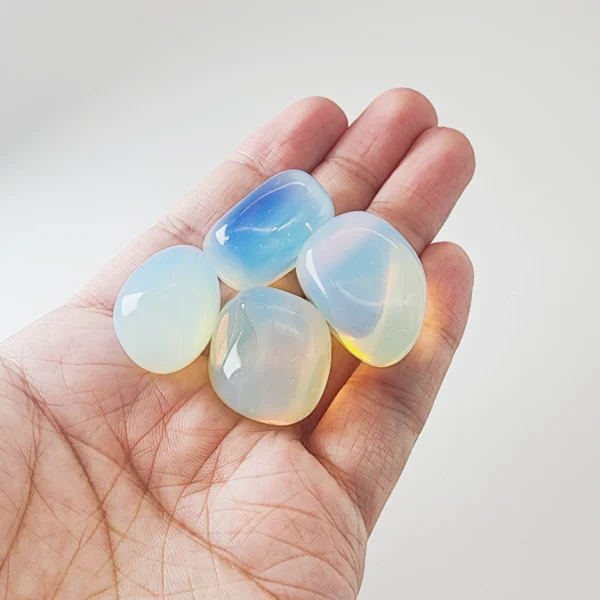
Leave crystals in moonlight for a minimum of four hours, ideally overnight from dusk to dawn. Most practitioners find that a full overnight exposure — roughly eight to twelve hours depending on the time of year — produces a noticeably more thorough charge than a few hours of moonlight contact. That said, even a two-hour window of clear moonlight produces a meaningful cleanse and partial charge for most stones.
The “how long” question matters more than most guides acknowledge. The answer changes depending on what you’re trying to achieve, which stone you’re working with, and what the moon is doing when you place the crystal out. This guide covers all three dimensions with specific, actionable guidance. For how moonlight fits into a complete cleansing routine alongside other methods, that overview provides useful context.
The Minimum, the Ideal, and the Maximum
These three thresholds are worth knowing before anything else:
Minimum effective exposure: Two hours of direct or diffuse moonlight produces a basic cleanse and a light charge for most stones. This is the floor — useful when you don’t have a full night available but want some benefit.
Ideal exposure: Overnight from dusk to just before sunrise — typically eight to twelve hours depending on the season. This is the standard recommendation for good reason. The sustained exposure gives the lunar energy time to work at a deeper level, and the transition from evening to early morning creates a natural energetic arc that many practitioners find produces the most balanced charge.
Maximum useful exposure: 24–48 hours centred on the full moon. Leaving crystals out for the evening before, the night of, and the morning after a full moon gives the maximum possible lunar exposure within a single lunar cycle. Beyond 48 hours, there’s no additional benefit — and for outdoor placement, weather and animal interference become practical concerns.

Does the Moon Phase Actually Matter?
Yes — but not in the absolute way that some guides suggest. The difference is one of degree, not kind.
Full moon: The strongest cleansing and charging energy. The full moon reflects the maximum amount of solar light and is the peak of lunar energy in the cycle. Crystals charged on a full moon typically feel more energetically vivid afterward than those charged on other nights. If you’re doing a deep reset or charging a stone for an important intention, the full moon is worth timing around.
Waxing moon (new to full): Growing energy — associated with building, intention-setting, and amplification. Charging during the waxing phase suits stones you’re working with for manifestation, growth, or establishing new practices.
Waning moon (full to new): Releasing energy — associated with letting go, clearing, and completion. Charging during the waning phase suits stones you’re working with for releasing patterns, processing grief, or clearing space.
New moon: The most subtle lunar energy — not dark or negative, just quiet. Useful for deep reset cleansing and for setting intentions for the new cycle. New moon energy is inward and still, which suits introspective practices more than active ones.
The practical conclusion: any clear night is worth using. If the choice is between waiting three weeks for the full moon and using a clear waxing moon night you have available tonight, use tonight. The full moon amplifies — it doesn’t uniquely enable.
Indoor vs Outdoor Placement
This is a more significant variable than moon phase for most people.
Outdoor placement gives maximum lunar exposure. The moonlight reaches the crystal without any filtering — full spectrum, full intensity, direct atmospheric contact. If you have a safe outdoor surface and the weather is clear, outdoor is always the better option. Use a natural surface where possible — stone, wood, or earth rather than plastic or metal.
The practical caveat: weather and temperature. Don’t leave water-sensitive stones outside if there’s any chance of dew, fog, or rain. Selenite, malachite, lepidolite, angelite, and other moisture-sensitive stones should be on an indoor windowsill, even if it means slightly reduced exposure. A dry indoor placement is better than a damp outdoor one for these stones.
Indoor windowsill placement works well and is the standard for most people. Glass does filter some UV radiation, but UV is not the primary mechanism in moonlight charging — it’s the full-spectrum reflected light and the sustained exposure that matter most. The difference in effectiveness between a south-facing windowsill with clear moonlight and outdoor placement is real but modest. For most regular cleansing and charging purposes, a good windowsill is entirely sufficient.
Away from windows entirely — in a room with no moonlight reaching the crystal — is the one placement to avoid if charging is the goal. Ambient light in a room isn’t the same as moonlight contact. If you don’t have a windowsill with a clear view of the sky, a balcony, a porch step, or any brief outdoor placement before bringing the stones in is worth the extra effort.

Which Crystals Benefit Most From Moonlight Charging
Moonlight is the recommended charging method for all crystals, but it’s the essential method for a specific group: light-sensitive and color-sensitive stones that can’t use sunlight without risk of damage.
Amethyst is the clearest example. Its purple color fades with prolonged UV exposure, making sunlight a damaging charging method for regular use. Moonlight provides sustained charging energy without any UV risk. Why light-sensitive stones like amethyst need moonlight over sunlight covers the specific mechanism — the short version is that moonlight carries the energetic quality of solar light without the UV radiation that bleaches color-sensitive minerals.
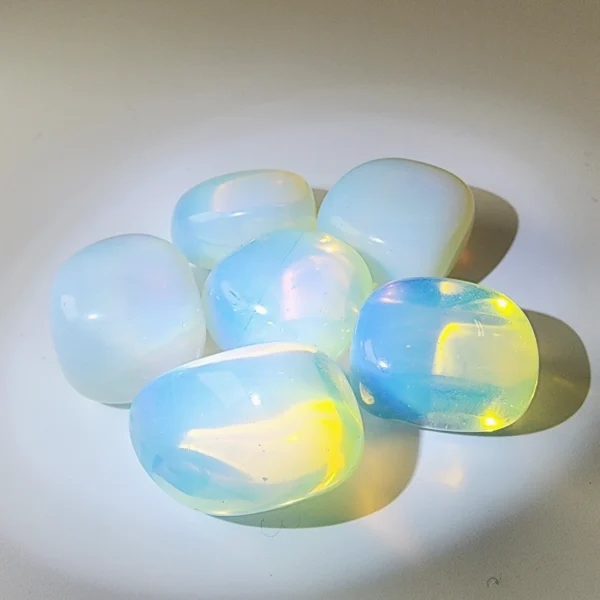
Rose quartz shares this sensitivity. Moonstone, celestite, aquamarine, and fluorite all benefit from moonlight as their primary charging method for the same reason. For any stone where color matters to you — either aesthetically or because you work with chromotherapy or color-based intention-setting — moonlight is the safe default.
For grounding stones like black tourmaline and smoky quartz, earth burial is sometimes preferred over moonlight for deep recharging — but moonlight works perfectly well for regular maintenance of these stones too.

Moonlight vs Sunlight for Charging
The two methods are often discussed as alternatives, and the comparison is worth making directly.
Moonlight is gentle, yin in quality, and associated with intuition, receptivity, and emotional attunement. It cleanses and charges without UV risk, making it universally applicable. The extended overnight duration means it works deeply over time rather than quickly. It suits introspective, emotionally oriented, or spiritually focused stones particularly well.
Sunlight is active, yang in quality, and associated with vitality, clarity, and action. It charges more quickly and with stronger energy — but at the cost of UV exposure that fades color-sensitive stones over time. It suits clear quartz, citrine, carnelian, and tiger’s eye better than it suits amethyst, rose quartz, or moonstone.
For how sunlight charging compares in detail — including which stones handle it safely and for how long — that guide covers the specific parameters. The general principle: when in doubt between the two, moonlight is the safer default for any stone whose composition or color sensitivity you’re unsure about.
When Moonlight Isn’t Enough
For stones that have been used intensively — through grief, major stress, or concentrated healing work — moonlight alone may not feel sufficient. The stone may still feel heavy or dull after an overnight charge.
In these cases, a sage cleansing as a faster alternative before the moonlight charge often produces better results than moonlight alone. The smoke cleanse clears the accumulated energy more actively; the moonlight charge then restores and amplifies from a cleaner baseline. The two methods are complementary rather than redundant.
Earth burial — placing the stone in soil for 24–48 hours — is the other option for deep restoration. This is more thorough than moonlight for genuinely depleted stones, though less convenient for regular use.
FAQ
How long to charge crystals in moonlight? A minimum of four hours produces a basic cleanse and partial charge. An overnight placement from dusk to just before sunrise — eight to twelve hours — is ideal for thorough cleansing and charging. For the deepest charge, placing crystals out for the 24–48 hours surrounding a full moon gives the maximum benefit.
Does moonlight work through glass? Yes, with a small reduction in effectiveness. Glass filters some UV radiation but transmits the full-spectrum reflected light that moonlight charging relies on. An indoor windowsill with clear moonlight is genuinely effective and is the standard placement for most people. Outdoor placement is slightly more effective but not dramatically so for most regular cleansing purposes.
Does it have to be a full moon? No. Any clear night produces effective cleansing and charging energy. The full moon amplifies the intensity of that energy — it’s the strongest night in the lunar cycle — but it doesn’t uniquely enable moonlight charging. Using a waxing or waning moon night you have available is better than waiting weeks for the next full moon.
Can I leave crystals in moonlight all day too? Leaving crystals outside continuously from evening through the following day exposes them to sunlight as well as moonlight. For light-sensitive stones, bring them in before direct morning sunlight reaches them. For stones that handle sunlight well, a continuous overnight-to-morning exposure is fine.
Does it matter if it’s cloudy? Overcast skies reduce the intensity of moonlight reaching the crystal, but don’t eliminate it entirely. Diffuse lunar energy through cloud cover is generally considered effective for regular maintenance cleansing, though less so than clear sky exposure for deep charging or full moon work. A heavily overcast night is still worth using rather than skipping entirely.
What surface should I place crystals on during moonlight charging? Natural surfaces — stone, wood, earth — are preferred within crystal traditions because they don’t interfere with the stone’s energetic connection to its environment. A windowsill is fine for indoor placement. Avoid plastic surfaces for extended overnight placements if you have a better option available.