Amethyst can go in sunlight briefly, but prolonged direct exposure will cause it to fade — sometimes permanently. The purple color in amethyst comes from iron impurities within its quartz structure — the same ones responsible for its healing properties and energetic qualities — and UV radiation gradually breaks these down through a process called photobleaching. A few minutes in sun won’t cause noticeable damage. Leaving it on a sunny windowsill for weeks will.
The frustrating part is that the fading is irreversible. Once the color is gone, it doesn’t come back. This guide covers how fast fading actually happens, what conditions accelerate it, and how to charge your amethyst safely without risking the color you bought it for.

Why Sunlight Fades Amethyst
Amethyst gets its purple color from iron impurities trapped within its silicon dioxide crystal lattice. These impurities absorb certain wavelengths of light and reflect the purple spectrum back to your eye. UV radiation from sunlight disrupts this at a molecular level — it breaks down the iron color centers over time, gradually shifting the stone from purple toward pale grey, yellowish, or even a washed-out colorless state.
This process is the same one that happens industrially when amethyst is deliberately heated to transform it into citrine. Heat and UV radiation both destabilize the same iron-based color mechanisms — sunlight just does it more slowly.
The depth of color in your specific stone affects how visible the fading becomes. Darker, deeply saturated amethyst from Brazilian or Uruguayan sources tends to show fading more dramatically than lighter lavender varieties, simply because there’s more color to lose. But both are vulnerable to the same process.
How Long Is Actually Safe?
There’s no precise universal answer because stone quality, UV intensity, and local climate all vary. But these are reasonable working guidelines:
| Exposure Type | Safety Level | Notes |
| A few minutes in direct sun | Generally safe | No visible damage from occasional brief exposure |
| 1–2 hours direct sun | Marginal | Probably fine once, inadvisable as regular practice |
| All-day direct sun | Risky | Cumulative fading likely over multiple sessions |
| Days or weeks on sunny windowsill | Avoid | Permanent color loss is likely |
| Bright indirect light | Safe | No UV penetration, no photobleaching risk |
| Overcast outdoor light | Safe | UV levels low enough to be negligible |
The key distinction is direct versus indirect sunlight. A room that’s bright and airy but doesn’t receive direct sun through the window is fine for displaying amethyst long-term. A south-facing windowsill that gets several hours of direct afternoon sun is where problems accumulate.
The Conditions That Accelerate Fading
Sunlight alone causes slow fading. But certain combinations speed the process significantly.
Sun combined with water is the most damaging scenario. Wet amethyst in sunlight is essentially experiencing both photobleaching and thermal stress simultaneously. If you cleanse your amethyst with water, dry it fully before placing it anywhere near direct light. For everything you need to know about amethyst and water, our water safety guide covers it in full.
Repeated short exposures accumulate in the same way that prolonged single exposure does. Ten separate two-hour sessions in direct sun will cause similar fading to one twenty-hour exposure. The damage isn’t reset between sessions.
South and west-facing windowsills in the northern hemisphere receive the most intense afternoon UV. If you display crystals on windowsills, north or east-facing positions are significantly safer.
Higher altitudes and latitudes with intense summers have stronger UV radiation than coastal or low-lying areas. If you live somewhere with particularly intense sunlight, treat the fading risk as higher than average.

What About Using Sunlight to Charge Amethyst?
Sunlight is commonly recommended as a charging method for crystals — and for many stones it works well. For amethyst specifically, it’s a trade-off that usually isn’t worth making.
The argument for sunlight charging is that solar energy is high-vibration and actively cleansing. The argument against it, for amethyst, is that you’re risking permanent color loss for a benefit you can get just as effectively from safer methods.
Moonlight is the standard recommendation for amethyst, and it’s genuinely good. Leaving amethyst on a windowsill or outside overnight during a full moon — or during any clear night, not just full moons — is considered one of the most effective charging methods available. There’s no UV risk, no heat, and the gentle overnight exposure gives the stone extended contact with lunar energy. For details on how long to leave crystals in moonlight and whether timing matters, our moonlight charging guide covers the specifics.
Selenite is the other reliable option. Place your amethyst on a selenite charging plate or beside a selenite wand for a few hours. No light required, no timing constraints, no risk to the stone.
Sunlight vs Moonlight for Amethyst: A Direct Comparison
Both are frequently recommended for charging crystals. Here’s how they compare for amethyst specifically:
Sunlight:
- High-energy, active, yang in quality
- Associated with vitality, clarity, and action
- Risk of permanent color fading with prolonged exposure
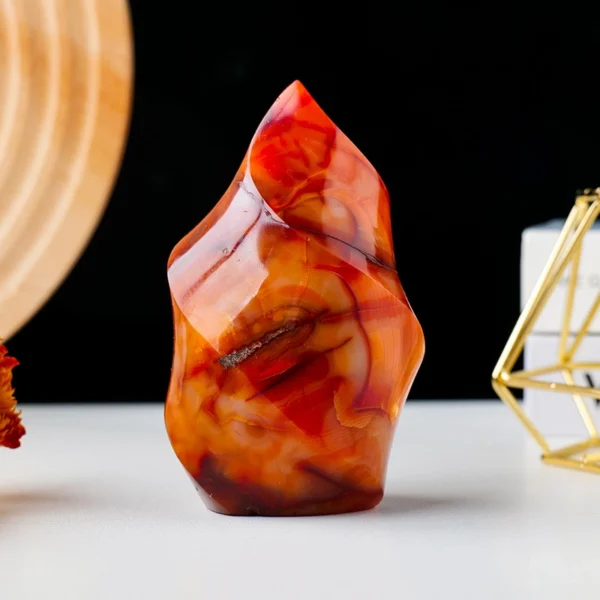
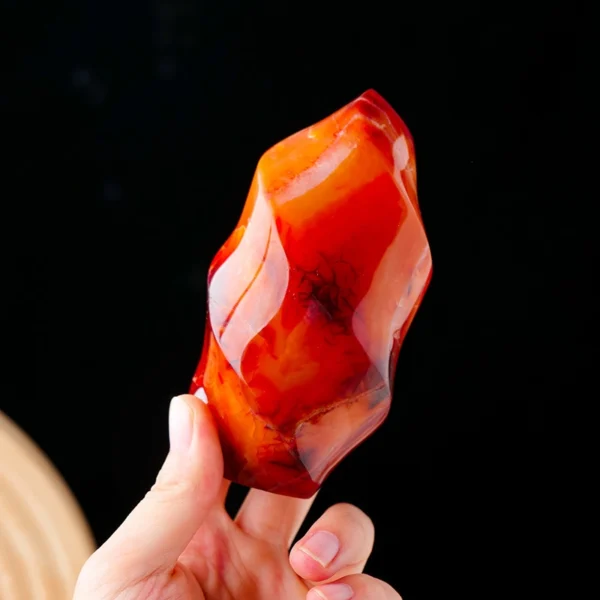
- Best suited to stones that aren’t color-sensitive: clear quartz, carnelian, citrine, tiger’s eye
Moonlight:
- Gentle, receptive, yin in quality
- Associated with intuition, calm, reflection, which aligns closely with amethyst’s own properties
- Zero risk to the stone
- Particularly well-suited to amethyst, selenite, and other light-sensitive or spiritually oriented stones
The match between moonlight’s energetic quality and amethyst’s healing properties makes moonlight the better choice beyond just the practical color protection argument.
For the complete guide on timing, placement, and how moon phases affect the charge quality, how long to leave crystals in moonlight covers every variable in detail.

Displaying Amethyst at Home Without Fading
If you want to keep amethyst on display — a cluster on a shelf, a point on a desk, a geode in your living room — a few placement decisions make a significant difference over time.
Keep it away from windowsills that receive direct afternoon sun. North-facing shelves, bookcases away from windows, and surfaces that receive bright ambient light rather than direct rays are all fine for long-term display.
Amethyst in a cabinet with glass doors will accumulate some UV from ambient light but at a fraction of the rate of direct exposure. This is a reasonable display option for pieces you want to protect.
If you want to display amethyst somewhere it will receive significant light, a UV-filtering acrylic display case is an option used by mineral collectors to protect color-sensitive specimens long-term.
FAQ
Can amethyst go in sunlight? Briefly, yes — a few minutes of direct sunlight won’t cause noticeable damage. Prolonged or repeated direct sun exposure causes permanent color fading through UV photobleaching. For charging purposes, moonlight is a safer and equally effective alternative.
How long does it take for amethyst to fade in sunlight? This depends on UV intensity and the stone’s original color depth. Visible fading can occur after several hours of cumulative direct exposure. Weeks of daily sun exposure will cause significant and permanent color loss in most amethyst specimens.
Does faded amethyst still work? From a crystal healing perspective, most practitioners consider that fading affects the aesthetic quality of the stone but not its energetic properties. The iron impurities that create the color are still present — they’ve simply had their light-absorbing behavior disrupted. Whether this affects the stone’s energy is a matter of perspective.
Can you reverse amethyst fading? No. Photobleaching is a permanent change to the crystal’s internal structure. Once the color centers are broken down by UV radiation, the purple color cannot be restored.
Is indirect sunlight safe for amethyst? Yes. Indirect sunlight — bright ambient light without direct UV exposure — doesn’t cause photobleaching. Amethyst displayed in a well-lit room that doesn’t receive direct sun through the window is safe from fading indefinitely.
What crystals can go in sunlight safely? Crystals that handle direct sunlight well include clear quartz, citrine (which is actually heat-treated amethyst), carnelian, tiger’s eye, obsidian, and most jaspers. For crystals and their relationship with both sunlight and water, our sunlight cleansing guide covers the broader picture.