Yes — sunlight cleanses and charges crystals effectively, but only for specific stones and within specific time limits. For clear quartz, citrine, carnelian, tiger’s eye, and obsidian, a few hours of morning sunlight is one of the most energising cleansing methods available. For amethyst, rose quartz, fluorite, and aquamarine, the same exposure causes permanent, irreversible color fading that no amount of care afterward can undo.
The difference lies in mineral composition. Some stones are stable under UV radiation; others contain light-sensitive compounds that photobleach. Knowing which category your crystal falls into before placing it in direct sun is the only thing that separates an effective charge from permanent damage. For a complete overview of all cleansing methods and how to choose between them, our complete crystal cleansing method guide covers the full picture.
How Sunlight Actually Works on Crystals
Sunlight does two distinct things to crystals simultaneously. The first is energetic: solar energy is high-frequency, active, and yang in quality — it charges stones with vitality, clarity, and action-oriented energy. The second is physical: UV radiation from the sun interacts with the mineral compounds inside certain stones in ways that cause irreversible chemical changes.
The energetic effect is broadly positive for stones that can handle it. The physical effect is the variable that requires attention.
UV radiation breaks down specific mineral compounds through a process called photobleaching. In amethyst, it disrupts the iron impurities that give the stone its purple colour. In rose quartz, it affects the titanium and manganese traces responsible for the pink hue. In fluorite, it bleaches the various trace minerals that create its characteristic colour banding. Once broken down, these compounds don’t reform — the colour change is permanent.
For stones without light-sensitive mineral compounds — clear quartz, obsidian, carnelian, most jaspers — UV exposure causes no comparable damage. These stones can be used in sunlight freely, within reasonable time limits.

Crystals That Are Safe in Sunlight
These stones handle direct sunlight without meaningful risk of colour loss or structural damage. Morning or midday sun for the durations indicated is appropriate for regular cleansing and charging use:
Clear quartz: Handles sunlight well and charges with particularly strong clarity energy under direct sunlight. Two to four hours is the standard recommendation for a thorough charge. Clear quartz is transparent and contains no colour-producing mineral compounds that UV can bleach.
Citrine: Naturally colour-stable in sunlight, which makes sense given that much commercial citrine is heat-treated amethyst that has already survived high temperatures. One to three hours is sufficient.
Carnelian: Iron oxide gives carnelian its orange-red colour, and iron oxide is stable under UV radiation. Two to four hours is appropriate. Avoid extended exposure to avoid potential surface drying in very hot climates.
Tiger’s eye: The golden-brown colour comes from iron oxide within a fibrous quartz structure — stable under sunlight. Two to three hours works well.
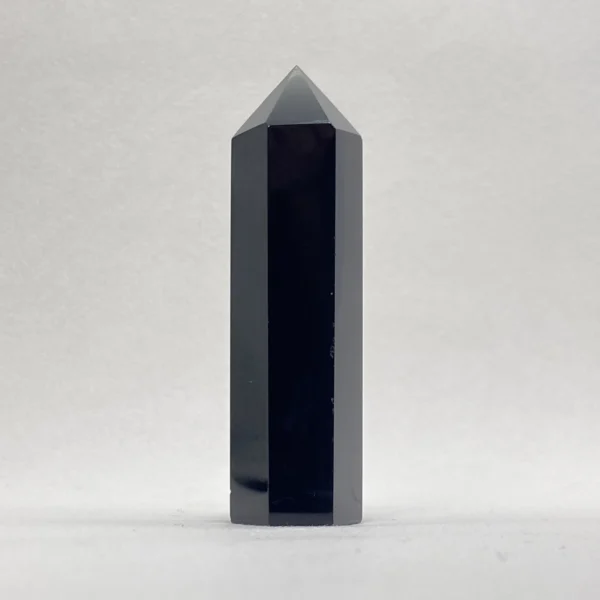
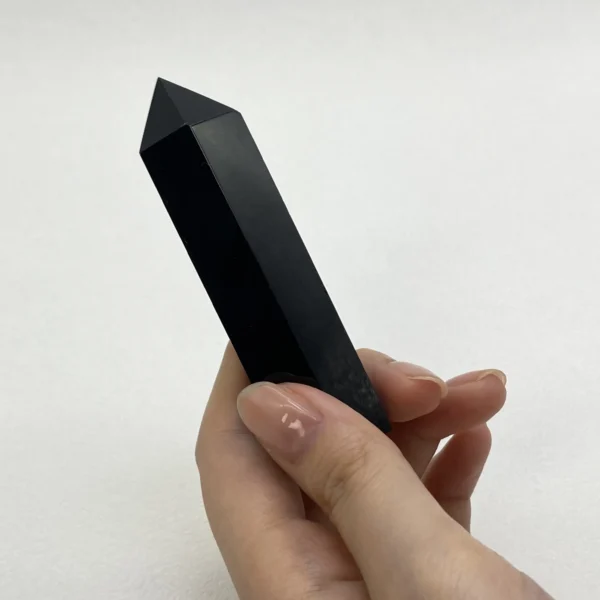
Obsidian: Volcanic glass with no light-sensitive mineral compounds. Handles sunlight without issue. Two to four hours is a thorough charge.
Black tourmaline: The iron content that makes it moisture-sensitive is stable under UV. Direct sunlight for one to two hours is fine, though moonlight is the more commonly recommended charging method given the stone’s grounding and protective nature.
Smoky quartz: The grey-brown colour comes from natural irradiation of clear quartz — it doesn’t reverse under UV. One to three hours is appropriate.
Bloodstone, red jasper, most jaspers: Iron-based colours, UV stable. Two to four hours is appropriate for most varieties.
Crystals to Keep Out of Direct Sunlight
These stones contain mineral compounds that photobleach under UV radiation. Even a few hours of direct sun exposure can produce visible fading; repeated or prolonged exposure causes permanent, significant colour loss:
Amethyst: The most important one to know. Purple colour comes from iron impurities in a specific oxidation state that UV destabilises. Even a few hours of strong direct sunlight can begin the fading process. How sunlight specifically affects amethyst covers the mechanism and timeline in detail — the short version is that indirect light is safe, but direct sun is a genuine risk.
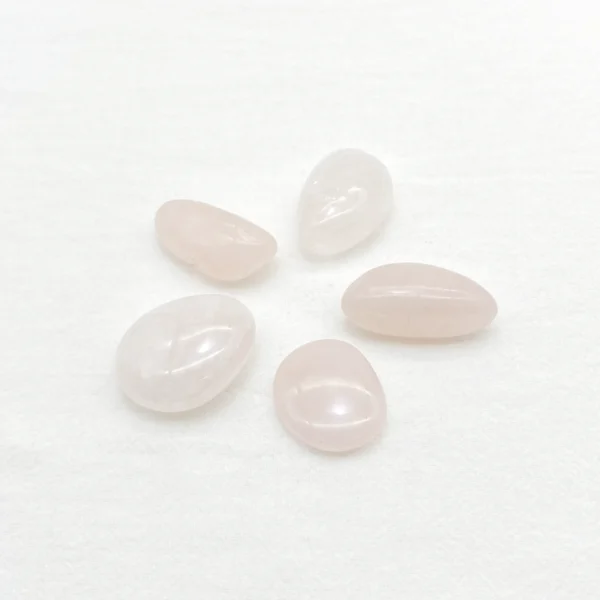
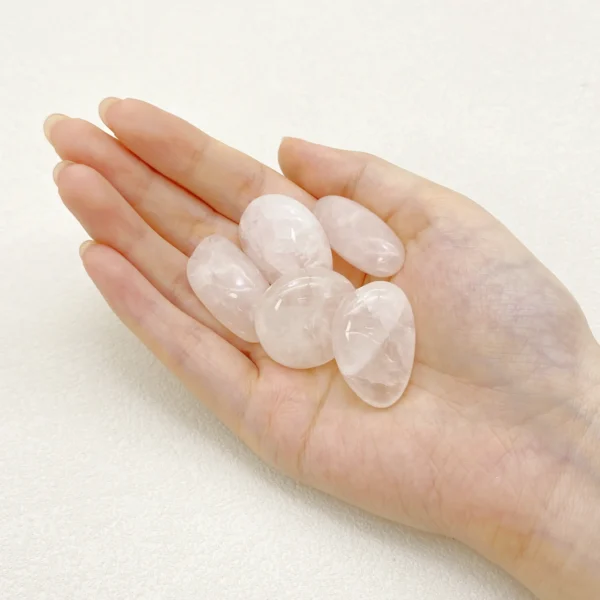
Rose quartz: The pink colour from titanium and manganese traces is sensitive to UV. Gradual fading from repeated sunlight exposure shifts the stone toward colourlessness over time.
Fluorite: Notoriously light-sensitive. The colour banding in fluorite — greens, purples, yellows — fades quickly under UV and is among the most susceptible colour changes in common crystals.
Aquamarine: The blue-green beryllium aluminium silicate colour fades under strong UV. Indirect light or moonlight is the appropriate charging method.
Opal: Sensitive to both UV and heat. Sunlight exposure risks both colour fading and thermal cracking in a stone that’s already structurally delicate.
Celestite: Pale blue colour fades under prolonged UV. Moonlight is the recommended charging method.
Kunzite: One of the most light-sensitive common crystals — even brief sunlight exposure causes noticeable colour loss over time. Store away from windows.
Morganite and most coloured beryls: Light-sensitive colour chemistry, same mechanism as aquamarine.

How Long Is Safe for Sun-Tolerant Stones?
Even for stones without photobleaching risk, duration and conditions matter:
| Condition | Recommended Duration | Notes |
| Early morning sun (before 10am) | 2–4 hours | Lowest UV intensity, best for sensitive stones at the threshold |
| Midday direct sun | 1–2 hours maximum | Highest UV and heat intensity |
| Afternoon sun | 2–3 hours | Moderate intensity, fine for stable stones |
| Full day unattended | Avoid | Heat stress risk regardless of UV stability |
| Behind glass (indoor) | 2–4 hours | UV filtered but visible light charging still occurs |
Morning sun is the most commonly recommended window for crystal sunlight charging — it provides the solar energy without the peak UV intensity of midday, and the gentler heat is less likely to cause thermal stress in any stone.
Sunlight vs Moonlight: Which Should You Choose?
The two methods charge crystals with genuinely different qualities of energy, and the choice matters beyond just safety:
Sunlight is active, direct, and energising. It’s associated with clarity, action, vitality, and outward-facing intention. Stones charged in sunlight tend to feel more energetically awake and activated. It suits crystals used for clarity of thought, motivation, action-oriented manifestation, and protection.
Moonlight is receptive, sustained, and reflective. It’s associated with intuition, emotional attunement, inner wisdom, and inward-facing intention. It suits crystals used for meditation, emotional healing, sleep, and spiritual practice. Crucially, moonlight is the safer alternative for sensitive stones — it provides charging energy without any UV risk, making it the universal default when you’re uncertain about a stone’s light sensitivity.
The practical default: if you’re unsure whether a stone is sunlight-safe, use moonlight. The charge quality is different but equally valid, and you won’t risk permanent damage to a stone you care about.

The Underlying Logic
The same principle that governs sunlight sensitivity governs water sensitivity. Certain mineral compounds are stable; others aren’t. Checking before you cleanse is the habit that protects your collection. The same caution applies to water cleansing — the list of water-sensitive stones overlaps significantly with the list of light-sensitive stones, and understanding why helps you make better decisions across all cleansing methods rather than memorising separate lists for each.
FAQ
Can you cleanse crystals in sunlight? Yes, for stones without light-sensitive mineral compounds. Clear quartz, citrine, carnelian, tiger’s eye, and obsidian all handle sunlight well. Amethyst, rose quartz, fluorite, and aquamarine fade permanently under UV and should be cleansed with moonlight or smoke cleansing instead.
How long should crystals be left in sunlight? For sun-safe stones, two to four hours of morning sunlight is the standard recommendation for a thorough cleanse and charge. Avoid leaving any stone in direct midday sun for extended periods due to heat stress risk. Never leave light-sensitive stones in direct sunlight.
Does sunlight through a window count? Yes — glass filters UV radiation significantly but transmits visible light. Indoor windowsill placement in direct sunlight provides cleansing and charging energy without the full UV exposure of outdoor placement. For light-sensitive stones, indoor windowsill sun is still worth approaching with caution — UV penetration through glass is reduced but not eliminated.
What is the difference between sunlight charging and moonlight charging? Sunlight is charged with active, yang energy associated with clarity, vitality, and action. Moonlight charges with receptive, yin energy associated with intuition, emotional healing, and reflection. Beyond the safety difference, the energetic quality of the charge differs meaningfully — choose based on how you plan to use the crystal, not just on safety alone.
Can I leave crystals in sunlight all day? Not recommended for any stone. Even sun-stable stones risk thermal stress from prolonged heat exposure, and the marginal additional charge from more than four hours doesn’t offset the risk. Two to four hours of morning sun is the appropriate window for thorough charging without unnecessary exposure.
Does indirect sunlight work for cleansing crystals? Yes, with a more gentle result. Bright indirect light — a well-lit room that doesn’t receive direct sun — provides some cleansing energy without UV risk. It’s appropriate for light-sensitive stones that benefit from light exposure without UV. The charge from indirect light is subtler than direct sun or moonlight, but it’s a safe option for regular low-intensity maintenance.