Yes, and it works well for a lot of people. But not everyone, and the people for whom it doesn’t work tend to assume they’re doing something wrong rather than realising the placement just isn’t right for them specifically.
Amethyst is the most commonly recommended stone for under-the-pillow placement, and there’s real reasoning behind that — amethyst’s role as the most versatile sleep stone comes up in nearly every sleep crystal conversation for good reason. But “commonly recommended” and “right for you” aren’t the same claim, and the gap between them is where this question actually lives.
Why It Works for Most People
The logic is straightforward. Amethyst’s calming effect operates on mental activity — the racing thoughts, the looping worry, the version of yourself that’s still reviewing the day’s conversations at 11 pm. Under-pillow placement puts the stone in the closest possible proximity to your head during the exact hours when that mental noise needs to settle.
Proximity matters more for amethyst than for some other stones because its effect is subtle rather than dramatic. A stone with a strong, fast-acting energy might work fine from across the room. Amethyst’s quieter, more gradual quality benefits from being close — close enough that the stone’s field genuinely overlaps with yours for the full night rather than just touching the edges of it.
Most people who try it notice the effect over one to two weeks rather than on the first night. That’s normal. It’s accumulative, the way most amethyst effects are.

Why It Backfires for Some
Here’s the part most guides skip over: a meaningful number of people find that amethyst under the pillow actually makes their sleep lighter, not deeper.
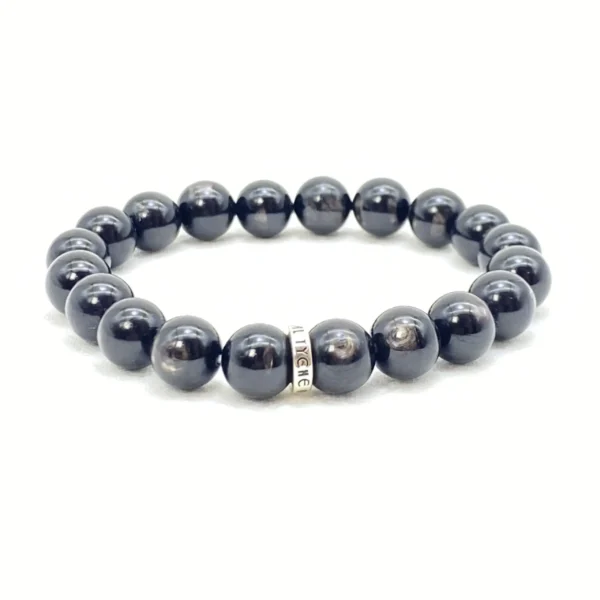
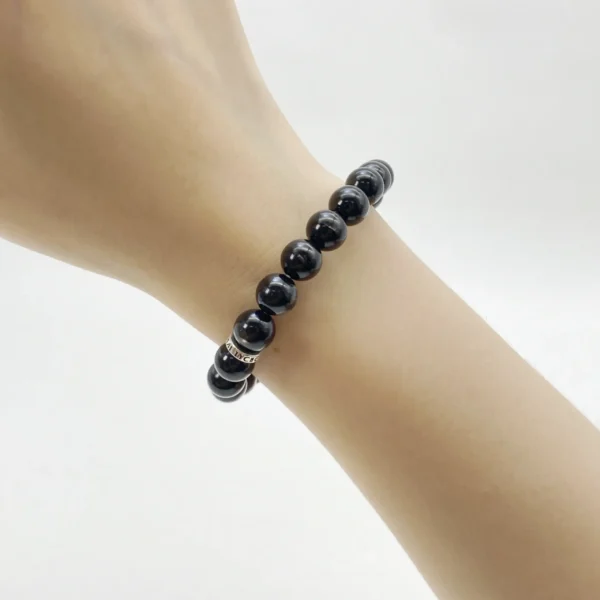
The reason isn’t fully understood, but the pattern is consistent enough to take seriously. Some people are simply more sensitive to crystal energy at close range, and what reads as “calming” at a distance reads as “stimulating” up close. It’s the same logic that applies to black tourmaline — useful during the day, occasionally too activating right next to your head at night. Amethyst doesn’t have black tourmaline’s grounding intensity, but for sensitive people, even gentle stones can register as a low-level hum of awareness that keeps a thin layer of consciousness engaged instead of letting it fully switch off.
There’s also a simpler, less mystical explanation worth considering: physical discomfort. A raw amethyst cluster under a pillow is not comfortable, and discomfort you’re not consciously registering can still fragment sleep. If you’ve tried this with anything other than a small, smooth, tumbled piece, that alone might explain a disappointing result.
How to Tell Which Camp You’re In
Try it for three nights with a small tumbled stone — not a cluster, not a point, something smooth enough to forget about physically. On the third morning, ask yourself honestly: did you sleep through more easily, or did you wake up more during the night than usual?
If it’s the former, you’ve found your placement. Keep going.
If it’s the latter — or if you genuinely can’t tell, which also happens — move the stone to the bedside table instead. Same stone, same general proximity, just enough distance to soften the effect for people whose nervous systems respond that way. Most people who find under-pillow placement too activating get the benefit they were looking for once they make this one adjustment.

What Form of Amethyst Works Best Here
Tumbled is the practical answer, almost always. Small, rounded, no edges to notice through a pillowcase. A piece roughly the size of a large grape is about right — big enough to have presence, small enough to disappear physically once you’re lying down.
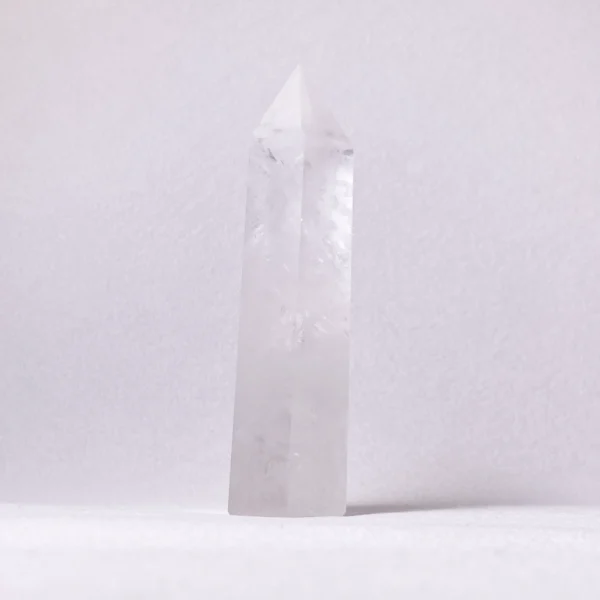
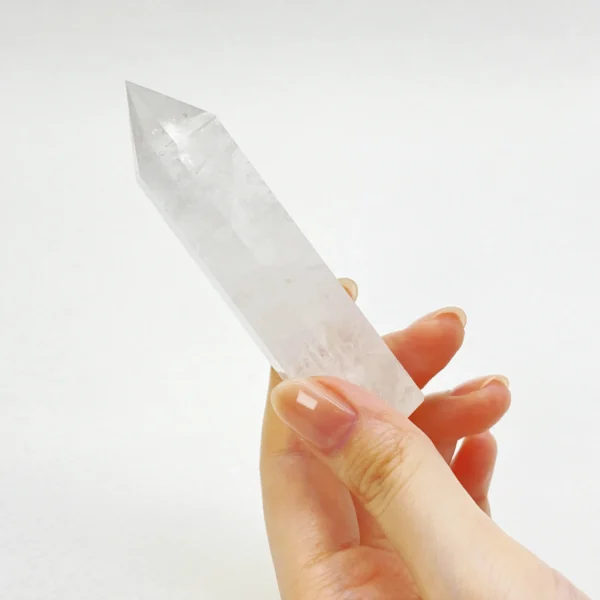
Raw amethyst is harder to recommend for this specific placement. The natural points and edges that make raw clusters visually striking are exactly what you don’t want pressed against you for eight hours. If you’re drawn to raw amethyst for its aesthetic or energetic qualities, keep it on the bedside table instead and save the under-pillow spot for something tumbled.
Holding it briefly before placing it — rather than leaving it under the pillow all night — is another approach worth trying if proximity at rest doesn’t suit you but the calming effect still does。
If It’s Not Working
Don’t force it. This is one of the few places in crystal practice where pushing through discomfort doesn’t lead anywhere good — sleep is too sensitive a system to override with willpower, and a stone that’s interfering with rest is working against its own purpose.
Where else amethyst can go if under the pillow isn’t right? Covers the alternatives in more detail, but the short version: bedside table first, and if that still feels like too much, even further across the room still produces some benefit. Amethyst is forgiving about distance in a way it isn’t always forgiving about proximity.
There’s also a third option worth knowing about — putting it under the mattress instead softens the effect even further than the bedside table does, which works well for people who find any head-level proximity too much.

FAQ
Is it safe to sleep with amethyst under your pillow?
Yes, physically. There’s no safety concern with having a small crystal in close proximity overnight. The only consideration is comfort and individual sensitivity, not safety in any medical sense.
How long before Amethyst under the pillow starts working?
Most people notice a difference within one to two weeks of consistent nightly placement. It’s a gradual effect rather than something you’d expect to feel on night one.
Should I use a raw piece or a tumbled piece?
Tumbled, specifically for under-pillow placement. Raw pieces have edges that create physical discomfort you may not consciously register but that still disrupts sleep. Save raw clusters for the bedside table or a shelf.
Why did amethyst make my sleep worse instead of better?
Some people are more sensitive to crystal energy at close range, and what’s calming from a distance can feel mildly stimulating right next to the head. If this happens, move the stone to the bedside table rather than abandoning amethyst altogether — most people who have this experience under the pillow do fine with a bit more distance.
Does the size of the amethyst matter?
For under-pillow use, smaller is generally better — comfort matters more than size here. A larger piece isn’t more effective in this specific placement; it’s just harder to ignore physically, which can work against the goal.
Can I switch between under the pillow and the bedside table?
Yes, and experimenting is the right approach. There’s no rule that locks you into one placement. If your sleep needs change, or if you’re not noticing the effect you expected, moving the stone is a reasonable first adjustment before concluding it isn’t working.