What is a crystal grid?
A crystal grid is an intentional arrangement of crystals, often placed in a geometric pattern, that people use as a visual and symbolic focus for an intention. To create a simple grid, choose one clear intention, select a few compatible stones, arrange them on a clean surface, and spend a few quiet moments focusing on what the arrangement represents to you. Crystal grids come from spiritual and metaphysical traditions; their claimed energetic effects have not been scientifically established.
There is something satisfying about a crystal grid.
A single crystal can be beautiful enough on its own. But when several stones are placed deliberately around a central point, the arrangement begins to feel like something you created rather than something you simply collected.
That is part of the appeal of crystal grids for beginners. A grid gives you a way to turn an intention into something visible and tangible.
You choose the purpose. You choose the stones. You decide where everything goes. Then, for a few minutes, you give that intention your full attention.
You do not need twenty crystals, a complicated ritual, or an advanced understanding of sacred geometry to begin.
A simple grid can be enough.
A note on crystal traditions: Crystal grids are part of spiritual and metaphysical practices. There is no established scientific evidence that arranging crystals creates measurable energetic fields or produces specific healing outcomes. The practices described here are presented as traditional, symbolic, and reflective ways to work with crystals.
What Is a Crystal Grid?
A crystal grid is an intentional arrangement of crystals, usually placed on a flat surface and sometimes organized around a geometric pattern.
The stones may have different roles.
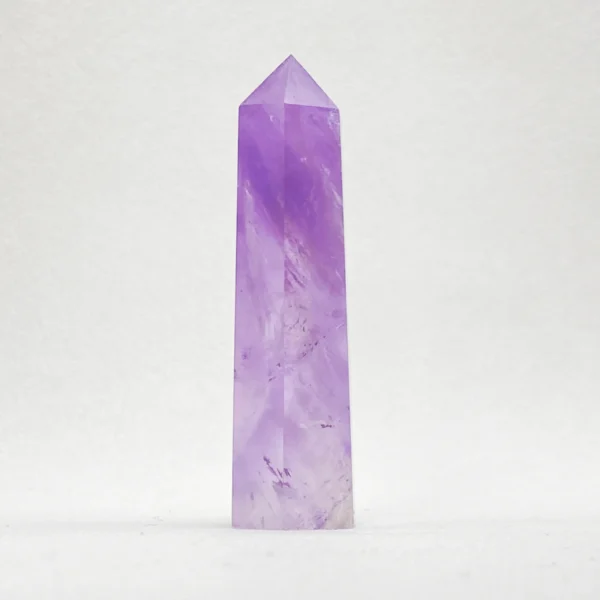
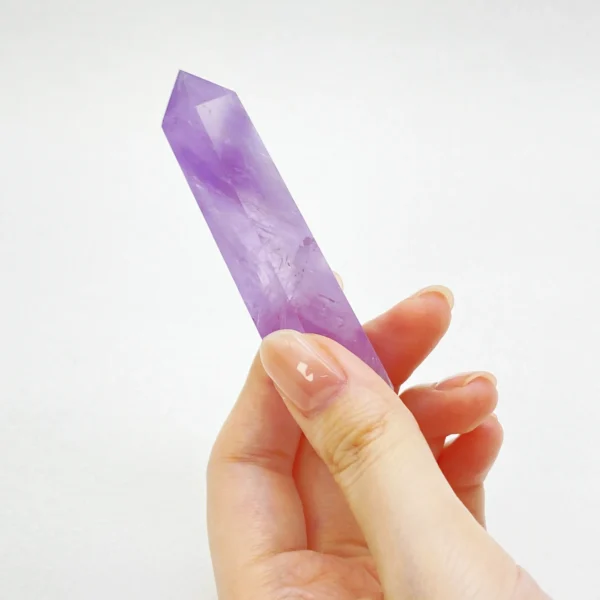
One crystal might represent the central intention. Others may symbolize supporting qualities. Some people also incorporate a point or wand as part of the layout.
The exact rules vary between crystal traditions.
That flexibility is actually helpful when you are learning.
You do not have to memorize a single “correct” grid formula before you start. Instead, think of a crystal grid as a physical representation of an intention.
For example, if your intention is to create a calmer atmosphere at home, you might choose stones that you personally associate with calm, grounding, or emotional balance.
If your intention is abundance, you might choose stones traditionally associated with prosperity and confidence.
The arrangement gives those ideas a physical place in your environment.
If you are still learning which stones fit your intentions, our complete guide to healing crystals covers crystal types, meanings, and practical ways to use them before you begin building a grid.

Crystal Grid vs. Using Multiple Crystals
Using several crystals does not automatically mean you have created a crystal grid.
You can place three crystals on your desk simply because you like them. You can carry several stones together. You can even meditate while holding one crystal and keeping two others nearby.
A grid adds another element: intentional arrangement.
The placement itself becomes part of the practice.
This is also different from simply meditating with multiple crystals. If that is what you are interested in, our guide to [meditating with multiple crystals] explores how to combine stones without making your meditation unnecessarily complicated.
A grid is more visual and structured. Meditation is usually more focused on attention, breath, and awareness.
Both can be meaningful. They simply serve different purposes.
How to Set Up a Crystal Grid
You can make a grid as simple as you want.
For your first one, I recommend resisting the temptation to recreate the most elaborate arrangement you have seen online.
Start with a clear intention and a manageable number of stones.
1. Start With One Clear Intention
Before choosing your crystals, decide what the grid represents.
Keep the intention specific enough that you understand it immediately.
You might choose:
- calm and emotional balance
- confidence before an important project
- abundance and financial growth
- self-love
- grounding
- creative inspiration
- spiritual reflection
- a fresh start
Your intention does not have to sound mystical.
“I want to feel more grounded this week” is completely valid.
So is:
“I want to approach my business decisions with more confidence.”
The more clearly you understand your intention, the easier it becomes to decide which stones belong in the grid.
If you want a deeper look at this part of the process, our guide to [setting an intention with your crystals] explains how to turn a general feeling or wish into a more personal intention.

2. Choose Your Crystals
Now choose the stones that support the meaning of your grid.
You might select one central crystal and several supporting stones.
For example, a beginner abundance grid might include citrine, green aventurine, and clear quartz because these stones are commonly associated with prosperity, opportunity, and clarity in crystal traditions.
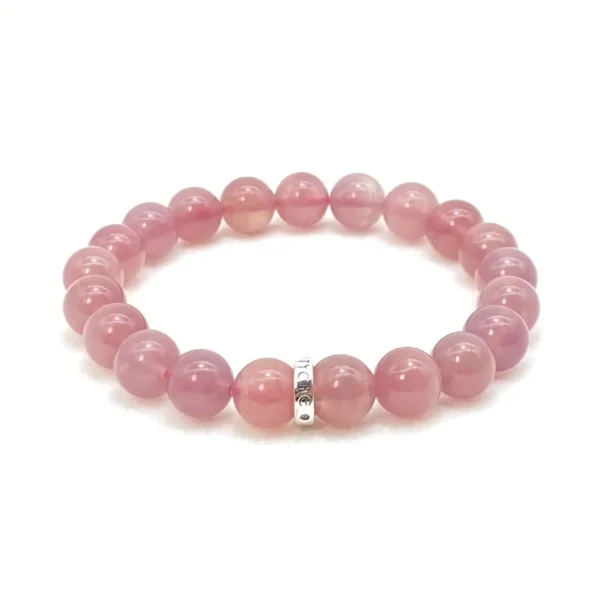
An emotional balance grid might include rose quartz, amethyst, and lepidolite.
A grounding-focused grid might include smoky quartz, black tourmaline, and red jasper.
These associations come from traditional crystal practices rather than scientifically established effects.
You also do not have to choose a stone simply because an online list says it is “the most powerful.”
If you already own a crystal that has personal meaning to you, that can be a better starting point.
For a more detailed explanation of what belongs in a grid, see our upcoming guide to [what crystals you need for a crystal grid].
3. Decide How Many Crystals You Need
This is where many beginners overcomplicate things.
You may see large crystal grids containing ten, twenty, or even more stones and assume that a proper grid needs to look like that.
It does not.
A small arrangement can be easier to understand and maintain.
You might begin with:
- one central stone
- four supporting stones
- one optional point or wand
That gives you enough structure without making the setup overwhelming.
There is no scientifically established ideal number of crystals for a grid.
If you want to experiment with different sizes, our guide to [how many crystals you need for a crystal grid] goes deeper into the practical considerations.

4. Choose Your Layout
Once you have your stones, decide how you want to arrange them.
A simple symmetrical arrangement is often easiest for beginners.
You could place one central stone in the middle and arrange four supporting stones around it.
You could also use six stones around a center, create a triangle, or work with another geometric pattern.
Do not worry about achieving mathematical perfection.
The layout should help you create a deliberate visual structure, not turn your practice into a geometry exam.
Some crystal traditions place particular importance on sacred geometry. If you want to explore the meaning and practical differences between common shapes, our guide to [sacred geometry shapes for crystal grids] will cover that topic in more depth.
5. Clean Your Space
Before arranging your stones, give yourself a clean surface.
A small wooden table, tray, shelf, or dedicated cloth can work well.
You may also choose to cleanse the crystals according to the care requirements of each stone.
This is one area where practicality matters.
Not every crystal is suitable for water, salt, or prolonged sunlight. If you are unsure about a stone, use a cleansing method appropriate for that mineral rather than assuming every traditional method is safe.
The goal is to prepare a space that feels intentional and comfortable.
It does not need to look ceremonial.
How to Arrange a Crystal Grid
Start by placing your central stone.
This crystal can represent the main intention of the grid.
Then add the supporting stones one at a time.
As you place each one, pause for a moment.
You might silently remind yourself why you chose it.
For example:
“This stone represents courage.”
“This one reminds me to stay grounded.”
“This one represents the abundance I want to create through consistent action.”
This small pause can make the arrangement feel more meaningful than simply placing everything down according to a photograph.
You can also leave some space between the stones.
A grid does not need to fill every inch of the surface.
In fact, a little negative space can make the arrangement easier to see and easier to maintain.

How to Activate a Crystal Grid
The word “activate” can sound more complicated than it needs to be.
In many crystal traditions, activation refers to intentionally focusing the grid toward the purpose you have chosen.
You might sit in front of the arrangement, take a few slow breaths, and repeat your intention.
Some practitioners use a crystal point or wand to trace lines between the stones.
Others simply place their hands near the grid and focus quietly.
There is no scientifically established mechanism showing that one activation technique makes crystals energetically more powerful than another.
The useful part of the ritual can be much simpler: you are deliberately stopping, focusing, and giving your intention your attention.
For a dedicated walkthrough, see our guide to [how to activate a crystal grid].
A Simple Beginner Activation Ritual
Once your grid is arranged, sit comfortably in front of it.
Take three slow, natural breaths.
Look at the center stone.
Then bring your intention to mind.
You might say:
“I choose to approach this season with clarity and confidence.”
Or:
“I am creating more space for calm, balance, and thoughtful choices.”
Keep the words natural.
You do not need a ceremonial script.
Spend another minute or two looking quietly at the arrangement.
Notice the colors, shapes, textures, and relationships between the stones.
When you feel finished, simply leave the grid in place.
That is enough.

How to Use a Crystal Grid in Daily Life
A crystal grid does not need to become an elaborate daily ritual.
You might use it as a visual reminder of something you are actively working toward.
For example, place a grounding grid near your desk during a particularly busy workweek.
Create an abundance-focused grid when beginning a new financial or business goal.
Keep a self-love grid somewhere private where you will see it during your morning routine.
The important distinction is between using the grid as a reminder and expecting the crystals to complete the goal for you.
A prosperity grid cannot replace budgeting, planning, saving, networking, or making thoughtful business decisions.
A confidence grid cannot prepare for a presentation in your place.
But the physical presence of the grid can remind you of the quality you want to bring into those situations.
That distinction keeps the practice grounded.
How Long Should You Keep a Crystal Grid?
There is no universal timeframe.
Some people keep a grid for several days. Others leave one in place for weeks.
You might also dismantle it once you feel that you have completed the period of reflection associated with the intention.
Think about what makes sense for your space and your routine.
If the grid becomes something you stop noticing, it may be time to refresh it.
You can photograph the arrangement before taking it apart if you want to remember it.
Then return the stones to their usual places, cleanse them according to their care needs, and decide whether you want to create another grid.
Common Crystal Grid Mistakes Beginners Make
Using Too Many Stones
More crystals do not automatically create a more meaningful grid.
A crowded arrangement can make it difficult to understand what each stone represents.
Start small.
You can always build something more elaborate later.
Choosing Crystals Without an Intention
Buying stones first and deciding what they mean afterward can work, but it often produces a visually attractive arrangement without a clear purpose.
Start with the question:
What am I trying to bring my attention to?
Then choose the stones.
Copying Someone Else’s Grid Exactly
A beautiful grid on social media may use a particular number of crystals or geometric shape.
That does not mean you need to reproduce it exactly.
Use other people’s arrangements as inspiration rather than instructions carved in stone.
Your grid can be personal.
Expecting Immediate Results
A crystal grid does not need to produce a dramatic sensation.
You may feel peaceful while setting it up.
You may feel nothing unusual.
Both experiences are normal.
Try not to judge the value of the practice by whether you experience warmth, tingling, visual imagery, or another unusual sensation.
The ritual itself can simply be a structured moment to pause and reflect.

Where Should You Put a Crystal Grid?
Choose somewhere stable, clean, and unlikely to be disturbed.
A bedside table can work for an evening reflection grid.
A desk can work for a work or creativity-focused intention.
A quiet shelf can work when you want the grid to remain visible without becoming part of your daily workspace.
Keep practical considerations in mind.
Avoid places where the stones can easily fall, become exposed to damaging moisture, or receive prolonged direct sunlight if the minerals are light-sensitive.
You also do not need to hide the grid away.
A simple arrangement on a shelf can be enough.
Can You Meditate With a Crystal Grid?
Yes.
A crystal grid can become part of a meditation practice, although it is not necessary for meditation.
You might sit in front of the grid, choose one central crystal as your visual focus, and spend five or ten minutes breathing quietly.
The grid gives you a larger visual structure than a single stone.
If you are completely new to crystal meditation, our guide to [how to meditate with crystals] covers the basic practice step by step.
The two practices can also work separately.
You do not need to meditate every time you create a grid.
What Should Your First Crystal Grid Look Like?
Keep it simple.
Choose one intention.
Select one central crystal and a few supporting stones.
Arrange them in a pattern that feels balanced.
Take a few quiet minutes to focus on what the arrangement represents.
Then leave it somewhere you can realistically maintain.
That is a complete beginner crystal grid.
You do not need a rare collection.
You do not need perfect sacred geometry.
And you do not need to believe that the stones are producing a measurable energetic effect.
The value of the practice can come from something much more familiar: taking an idea that matters to you and giving it a physical place in your everyday environment.
Final Thoughts
Crystal grids can look complicated when you first encounter them.
There are elaborate patterns, large collections of stones, different activation rituals, and countless interpretations of sacred geometry.
But the foundation is surprisingly simple.
Choose an intention.
Choose your stones.
Create an arrangement.
Focus on what it represents.
Use the grid as a reminder.
Start there.
As you become more comfortable, you can explore different layouts, experiment with the number of stones, and create grids for more specific intentions.
And if you find yourself adding crystals simply because you think a grid should contain more, pause for a moment.
Ask yourself what each stone is contributing.
A thoughtful grid is not necessarily the largest one.
It is the one that means something to you.
FAQ
What is a crystal grid?
A crystal grid is an intentional arrangement of crystals, often organized around a central stone and a geometric pattern. People use grids as symbolic or visual tools for focusing on a particular intention.
How do beginners make a crystal grid?
Start with one clear intention, choose a central crystal and a few supporting stones, select a simple layout, and arrange the stones on a clean surface. You can then spend a few quiet moments focusing on what the grid represents.
How many crystals do you need for a crystal grid?
There is no fixed number. A beginner can start with a central stone and several supporting crystals. The number should depend on the intention, available space, and complexity you are comfortable maintaining.
How do you activate a crystal grid?
In crystal traditions, activation generally involves focusing your intention on the completed arrangement. You might repeat an intention, meditate beside the grid, or use a crystal point to trace connections between stones. These practices are symbolic and are not scientifically established methods for creating measurable energy.
What crystals should you use in a crystal grid?
Choose crystals based on your intention, personal associations, and practical preferences. Common examples include clear quartz, amethyst, rose quartz, citrine, green aventurine, smoky quartz, and black tourmaline, depending on the traditional purpose of the grid.
Does a crystal grid have to use sacred geometry?
No. Sacred geometry is common in many crystal-grid traditions, but a beginner can create a simple intentional arrangement without following a specific geometric pattern.
Can you meditate with a crystal grid?
Yes. You can sit near a crystal grid and use the arrangement as a visual or symbolic focus during meditation. However, a grid is not required for meditation.
Where should you place a crystal grid?
Place it somewhere stable, clean, and easy to maintain. A desk, shelf, bedside table, or dedicated meditation area can work, depending on your intention and the care requirements of your crystals.