Rose quartz can go in water for short periods without immediate damage — a quick rinse under cool running water is generally fine. But prolonged soaking, regular water exposure, and salt water are all worth avoiding. The pink color in rose quartz comes from trace minerals that are sensitive to sustained moisture and heat, and surface dulling from repeated water contact is cumulative and permanent.
The good news is that rose quartz handles water somewhat better than many other crystals, and occasional contact isn’t a crisis. Here’s exactly where the line sits, and what to use instead when you want to cleanse it. For everything else rose quartz does and how to work with it, rose quartz’s full properties and how to use it covers the complete picture.
Why Rose Quartz Is More Water-Tolerant Than Most Crystals
Rose quartz has a structural advantage over many other crystals when it comes to water. Most amethyst and clear quartz form as distinct, faceted crystals with natural cleavage planes — internal weak points where water can work its way in and cause fracturing over time. Rose quartz, by contrast, almost always forms as massive quartz — a dense, interlocking structure without distinct crystal faces or clear cleavage planes.
This structural difference also shows up in how raw and tumbled forms compare — the two forms handle water slightly differently in practice.
This means water has fewer entry points. A quick rinse is unlikely to cause the micro-fracture damage that concerns collectors with more structurally complex specimens.
The vulnerability is different: the pink color itself. Rose quartz gets its hue from trace amounts of titanium, manganese, or iron embedded in the quartz lattice. Prolonged water exposure — particularly combined with heat or sunlight — gradually affects these color centers, shifting the stone from pink toward pale or colorless. The change is slow but irreversible.

How Long Is Actually Safe?
The honest answer is that brief contact carries little risk, and sustained contact carries increasing risk. Here’s a practical breakdown:
| Method | Safety Level | Notes |
| Quick rinse under cool tap water | Safe | 30–60 seconds, pat dry immediately |
| Submerged in still water | Marginal | Under 10 minutes is unlikely to cause harm; longer is unnecessary |
| Salt water of any kind | Avoid | Abrasive and corrosive; damages surface and can affect color |
| Regular water cleansing (weekly) | Risky | Cumulative surface dulling over months |
| Water combined with sunlight | Avoid | Accelerates color fading significantly |
| Moon water soak overnight | Avoid | Duration is the problem, not the moon water itself |
The key pattern: brief and occasional is fine, regular and prolonged is where damage accumulates.
What About Salt Water?
Salt water is a harder line. Even brief exposure to salt water carries more risk for rose quartz than plain water because salt is abrasive at a microscopic level and corrosive to many mineral surfaces. It works into natural surface irregularities and gradually pits the finish, dulling the polish and affecting the stone’s visual quality over time.
This matters because salt water cleansing is widely recommended in general crystal guides — and rose quartz is one of the stones where this advice is worth questioning. If you’re working with water cleansing regularly, plain cool running water is the safer choice over salt water for any pink or color-sensitive stone.
For a full picture of which crystals can and can’t tolerate water and salt, our complete list of crystals that aren’t water-safe is a useful reference to bookmark.

How Rose Quartz Compares to Other Crystals
Among common crystals, rose quartz sits in the middle of the water-safety spectrum. It’s safer than selenite (which dissolves), malachite (which releases copper compounds), or lepidolite (which flakes). It’s comparable to amethyst — amethyst follows the same general rules around brief rinsing being fine and prolonged soaking being the real concern.
It’s less safe than clear quartz or obsidian, which handle water more reliably and are less color-sensitive.
If you’re unsure about any stone in your collection, the safest default is always brief contact only, dried immediately, and never salt water.
Better Ways to Cleanse Rose Quartz
Water cleansing has appeal — it feels intuitive and simple — but rose quartz responds just as well to methods that carry no risk at all.
Moonlight is the most popular alternative and genuinely effective. Leave rose quartz on a windowsill or outside overnight during the full moon, or any clear night. No timing limit, no risk to the stone, and the gentle lunar energy suits rose quartz’s qualities particularly well.
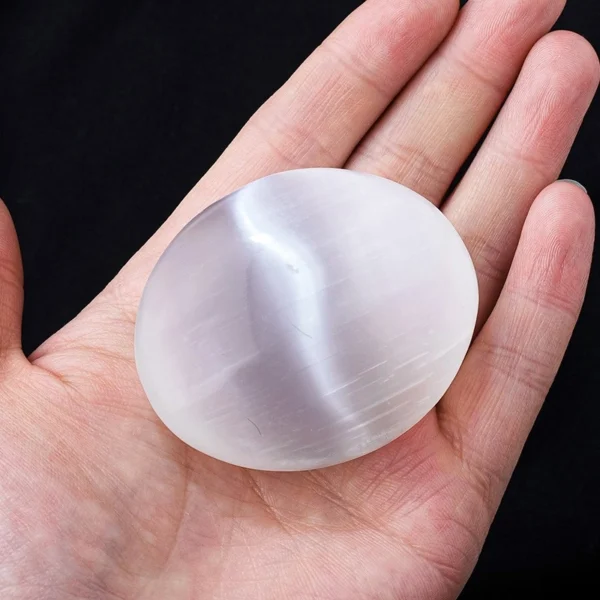
Selenite is the most convenient option for regular cleansing. Place rose quartz on a selenite charging plate or beside a selenite wand for a few hours. No preparation needed, works any time, and the combination of selenite’s cleansing quality with rose quartz’s energy is well regarded.
Smoke cleansing with sage, palo santo, or incense takes under a minute and is appropriate for any crystal regardless of composition. Pass the stone through the smoke two or three times with the intention of clearing it.
For the full range of cleansing methods — timing, frequency, and which work best in different situations — safer cleansing methods that work just as well covers everything in one place.

FAQ
Can rose quartz go in water? Yes, briefly. A rinse under cool running water for 30–60 seconds is safe for rose quartz and won’t cause immediate damage. Prolonged soaking, salt water, and regular water cleansing are worth avoiding as they cause cumulative surface dulling and potential color fading over time.
Can I wear rose quartz in the shower? Occasionally won’t cause immediate damage, but showering regularly with rose quartz — particularly with hot water and soap or shampoo products — dulls the surface and affects the polish over time. Take it off before showering when you can, especially for polished pieces and jewellery.
Can rose quartz go in a water bottle? Only if the stone is held in a separate external chamber that doesn’t make direct contact with the drinking water. Do not place rose quartz directly inside a water bottle — while rose quartz itself isn’t considered toxic, the practice isn’t worth the risk and the stone degrades faster in prolonged water contact.
Can rose quartz go in moon water? Moon water is still water, so the same principles apply. The brief contact involved in making moon water — if you’re simply placing the stone near or in the water for a short time — isn’t likely to cause harm. Soaking rose quartz in moon water overnight is not recommended. The lunar energy can be accessed by placing the stone in moonlight directly, without water involved.
What happens if rose quartz gets wet accidentally? Nothing serious. Dry it thoroughly with a soft cloth, make sure no moisture is sitting in any crevices or surface irregularities, and allow it to air dry completely. Single accidental exposure will not damage it.
Can rose quartz go in salt water? No. Salt water is more damaging than plain water for rose quartz — the abrasive and corrosive nature of salt pits the surface and accelerates any color fading. Avoid salt water entirely for rose quartz, regardless of how briefly.