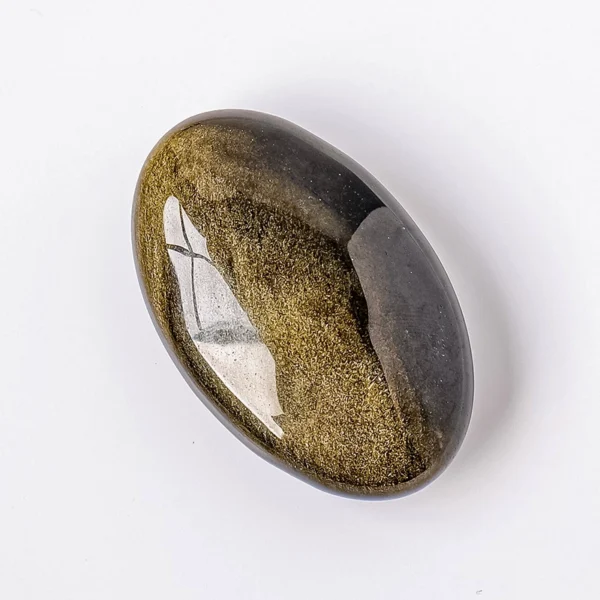
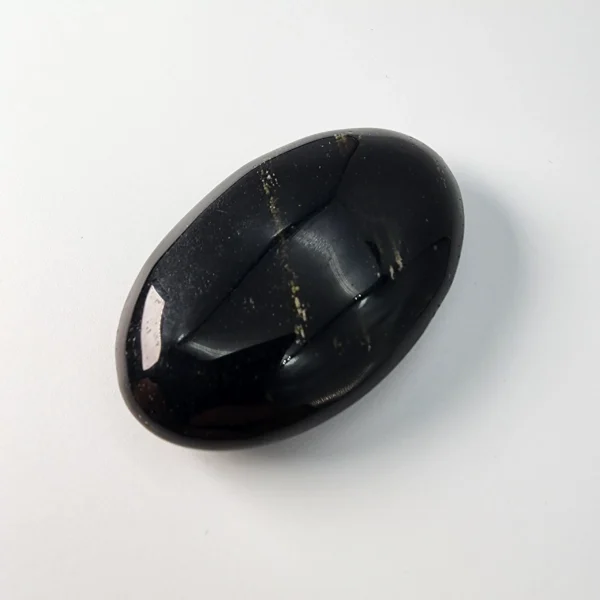
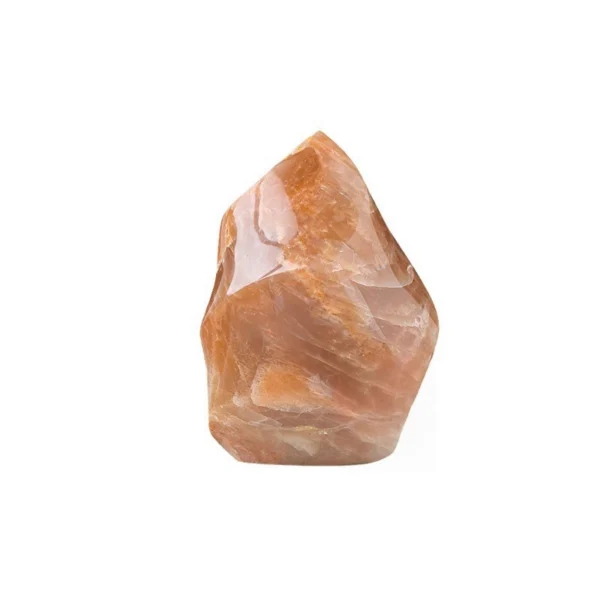
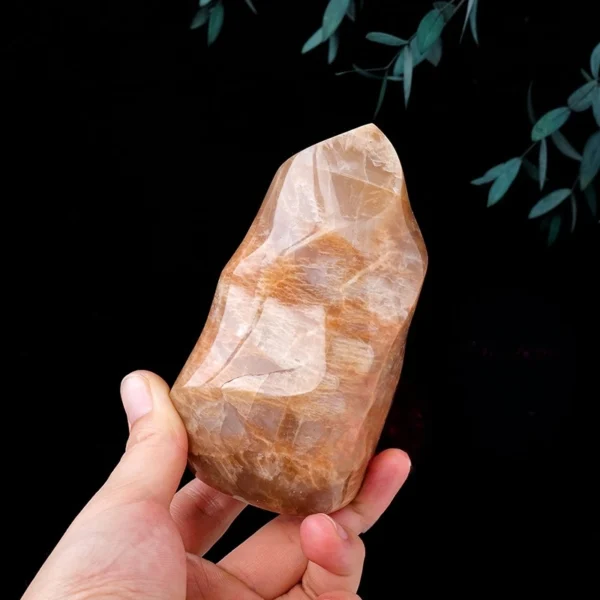
Lepidolite is one of the most genuinely distinctive anxiety stones available — not because of mysticism, but because of its mineral composition. It contains natural lithium within its layered mica structure. Whether trace amounts of lithium in a crystal produce measurable physiological effects is a legitimate scientific question without a settled answer. What is settled is that lepidolite anxiety work produces consistent results in practice — particularly for the emotional root of anxiety rather than its cognitive or physical manifestations.
This guide addresses both the mechanism debate and the practical question of who benefits most. For the full comparison of how lepidolite sits alongside other anxiety stones, how lepidolite compares to other anxiety crystals gives that broader context.
The Lithium Question: What the Science Actually Says
Lepidolite contains lithium aluminium silicate — lithium is a structural component of the mineral rather than a loose element. Pharmaceutical lithium carbonate is prescribed at high doses for bipolar disorder and is one of the most researched mood-stabilising compounds in psychiatry.
The question worth asking honestly: can tracing lithium in a held crystal produce any physiological effect?
The straightforward answer is that there’s no peer-reviewed research demonstrating transdermal lithium absorption from lepidolite handling. The amounts involved are orders of magnitude below therapeutic pharmaceutical doses. Anyone claiming that holding lepidolite produces the same mechanism as prescribed lithium is overstating what the evidence supports.
What the evidence doesn’t settle is whether other mechanisms — the placebo effect, the focused attention a physical anchor creates, the somatic grounding of holding a weighted object — produce the consistent calming results that practitioners report. These mechanisms are real and documented, regardless of what lithium specifically contributes.
The practical conclusion: lepidolite anxiety benefits are genuine in reported experience. Attributing them specifically to lithium absorption is scientifically premature. The honest position is that the stone works for many people through mechanisms that aren’t fully understood — which is true of more things in both conventional and complementary medicine than is usually acknowledged.

What Lepidolite Actually Does Well
The consistent pattern across practitioners who use lepidolite for anxiety is that it works best on the emotional substrate — the persistent worry, the fear-based thinking, the habitual anxiety patterns that sit beneath the surface of daily life, rather than manifesting as acute panic episodes.
This is distinct from what amethyst does. Amethyst quiets mental activity — the racing thoughts and cognitive noise of anxiety. Lepidolite works more specifically on the emotional charge that drives those thoughts. For people whose anxiety has a clear fear-based root — fear of specific outcomes, fear of failure, anticipatory dread — lepidolite addresses the layer that amethyst doesn’t reach as directly.
It’s also consistently effective for emotional states adjacent to anxiety: grief-related anxiety, anxiety produced by major life transitions, and the specific quality of anxiety that comes from feeling emotionally overwhelmed rather than cognitively overwhelmed.
What Lepidolite Doesn’t Do Well
Honest assessment requires acknowledging the limits.
Lepidolite is not the right stone for acute panic. Its effects are gradual and accumulative rather than fast-acting. During a panic attack, you need something that creates an immediate grounding or physical interruption — crystals for acute panic specifically cover what works in those moments. Lepidolite is for prevention and ongoing management rather than emergency response.
It’s also less effective for anxiety that’s primarily physical — the chest tightness, shallow breathing, and somatic activation that some people experience as the primary feature of their anxiety. Blue lace agate addresses that layer more directly.
And for anxiety that’s cognitive in origin — driven by specific thought patterns or overthinking rather than emotional fear — amethyst and howlite work more specifically than lepidolite.
Who Benefits Most From Lepidolite
Based on consistent practitioner experience, these situations produce the strongest results:
Emotionally rooted anxiety. If your anxiety feels like it comes from the chest rather than the head — more fear than thought — lepidolite works on the layer where you actually need it.
Transition periods. Life changes that produce sustained background anxiety — moving, relationship changes, career shifts, grief — are where lepidolite’s gentle, sustained calming quality shows up most clearly.
Habitual worry patterns. The chronic low-level worry that’s been present for years, rather than triggered by specific events, is the anxiety subtype where lepidolite produces the most consistent long-term shift, used alongside other practices.
Sleep anxiety. The specific anxiety of not being able to sleep — and the anxiety that accumulates from lying awake worrying — responds particularly well to lepidolite placed under the pillow or on the bedside surface.

How to Use Lepidolite for Anxiety
Daily carry is the foundation. A tumbled piece in a pocket produces the accumulative calming effect over weeks that makes lepidolite most useful. The effects are gradual — most people notice them in retrospect rather than in any single moment of holding the stone.
Held during emotional processing. During journaling, therapy, or any deliberate engagement with anxious feelings, hold lepidolite in both hands. Its effect on the emotional layer is more direct when the emotional material is already in focus rather than operating beneath conscious attention.
Bedside placement suits lepidolite well — particularly for worry-induced sleep difficulty. Place it on the bedside surface or under the pillow. Its gentle quality doesn’t create the overstimulation risk that more intense stones can produce in sleep environments.
Paired with amethyst. The most effective pairing for anxiety that has both cognitive and emotional dimensions: lepidolite in the left hand to receive emotional calming, amethyst in the right to direct mental clarity. The two stones cover complementary layers rather than duplicating each other’s effects.
Caring for Lepidolite
Lepidolite is water-sensitive and requires more care than most common anxiety stones. Its layered mica structure means water works between the layers and causes delamination over time — the stone begins to flake apart.
Never cleanse lepidolite with water or salt water. Smoke cleansing and moonlight are the two appropriate methods. Selenite is effective for lighter maintenance cleansing between deeper sessions. For the complete breakdown of safe cleansing methods and which to avoid for water-sensitive stones, how to cleanse lepidolite safely covers every option.
Store lepidolite separately from harder stones that could scratch its relatively soft surface — it sits at 2.5–3 on the Mohs scale, which makes it one of the more delicate common crystals for everyday handling. Wrap it in a soft cloth when storing.

FAQ
Does lepidolite really work for anxiety? In consistent practitioner experience, yes — particularly for emotionally rooted anxiety, habitual worry patterns, and transition-period anxiety. The mechanism debate around lithium content remains scientifically open, but the results are reported consistently enough to take seriously. It works best over weeks of regular use rather than in single acute moments.
How is lepidolite different from amethyst for anxiety? Amethyst quiets cognitive anxiety — the racing thoughts and mental noise. Lepidolite works more specifically on the emotional root — the fear and worry that drive those thoughts. For comprehensive anxiety support, the two stones together cover more ground than either alone.
Can lepidolite go in water? No. Its layered mica structure is water-sensitive — repeated water contact causes the layers to separate and the stone to deteriorate. Use smoke cleansing or moonlight instead. This is one of the most important care details to know before working with lepidolite regularly.
How long does it take for lepidolite to help with anxiety? Most people notice the first effects within the first week of consistent daily carry — a slight reduction in the intensity of baseline worry. More significant shifts in habitual anxiety patterns typically emerge over three to six weeks of regular use.
Is lepidolite safe to handle? Yes, for normal handling purposes. The lithium content is structurally bound within the mineral rather than loose or soluble in typical handling conditions. Wash hands after extended handling as a general mineral hygiene practice. Don’t ingest it or make crystal elixirs with it.
Where should I place lepidolite in my home? The bedroom is the most effective placement for sleep anxiety. A living room or workspace placement contributes to ambient emotional calming in those environments. Avoid humid areas — bathrooms and kitchens expose the stone to moisture that degrades it over time.