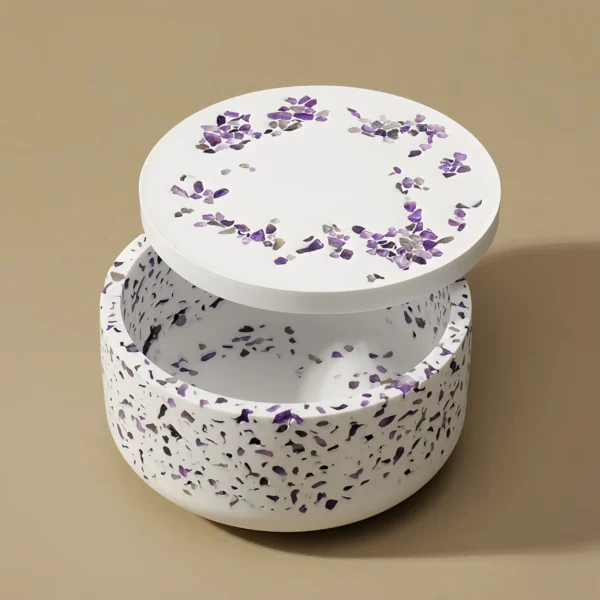
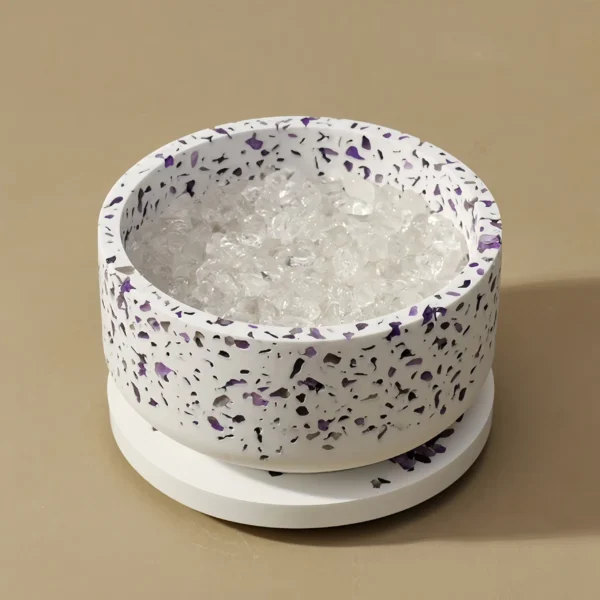
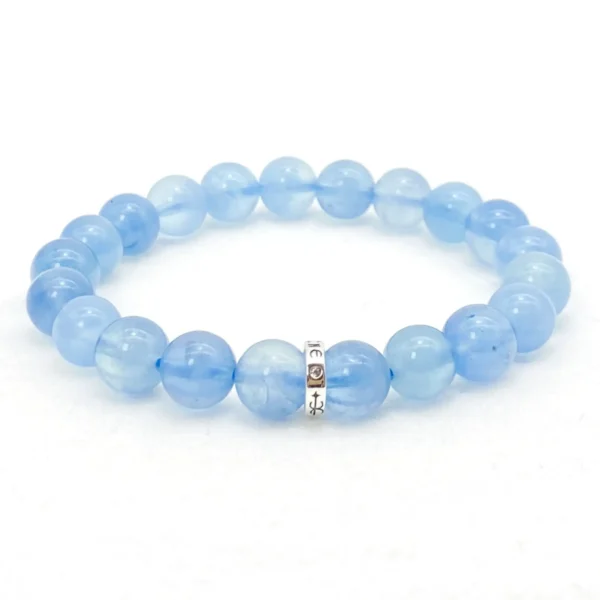
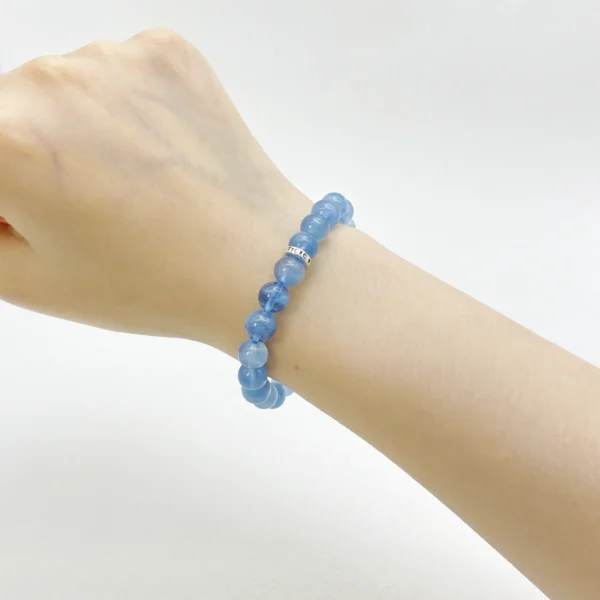
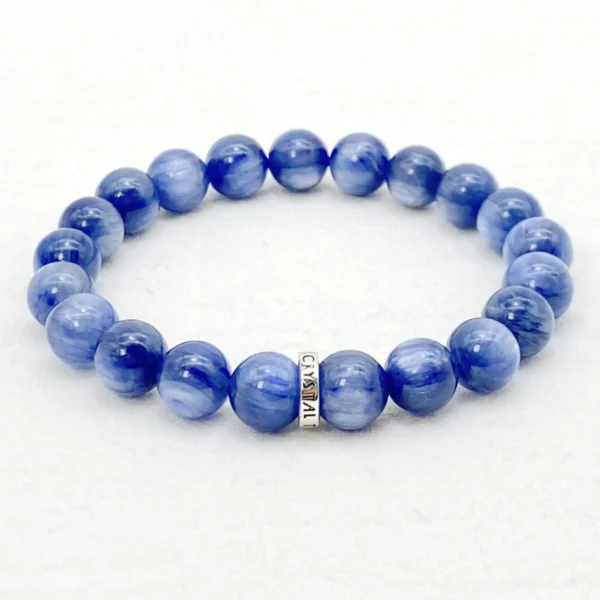
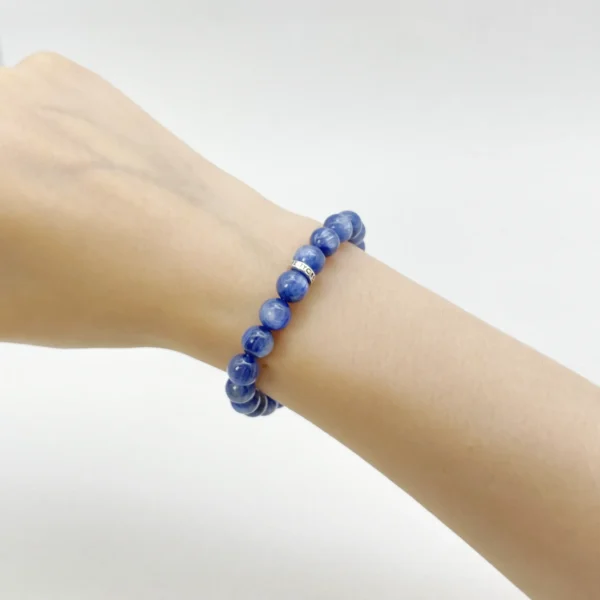
Amethyst, lepidolite, and blue lace agate are the three most consistently effective crystals for anxiety — each working on a different layer of the experience. Amethyst quiets mental noise. Lepidolite addresses the emotional root of anxious patterns. Blue lace agate calms the physical symptoms of activation.
Together, they cover the mental, emotional, and somatic dimensions that anxiety typically involves. This guide covers six healing stones for anxiety, what each one specifically addresses, and how to match stone to symptom. For a broader context on how healing crystals work across all their applications, our complete guide to healing crystals provides the full picture.
Why Healing Stones Help With Anxiety
The mechanism isn’t pharmaceutical. No compound enters the bloodstream, and no receptor gets blocked or activated.
What anxiety crystals do — consistently, across practitioners who work with them — is create a focused physical anchor. The stone’s weight and texture give the nervous system something present and concrete to attend to. This interrupts the forward-spiralling quality that characterises most anxious thought.
Whether the stone’s energetic properties add to that effect is debated. The practical result, however, is consistent: people who work with anxiety stones regularly report reduced intensity and shorter duration of anxious episodes over weeks of use.
This doesn’t mean crystals replace therapy, medication, or other evidence-based treatments. They work best as a complementary layer — additional support alongside whatever else you’re doing.
6 Best Crystals for Anxiety and Stress Relief
Amethyst: For Mental Restlessness
Amethyst is the most versatile anxiety stone and the natural starting point for most people. Its calming effect operates primarily at the mental layer — the circular thinking and intrusive thoughts that fuel anxiety without a clear emotional root.
The quality isn’t sedation or dullness. Think of it as the difference between a busy room and a quiet one. External conditions don’t change, but your relationship to them does.
For daily use, keep a tumbled piece in your pocket. Place a larger piece on your desk or bedside table for ambient support. During acute moments, hold it in your left hand and take three slow breaths before reassessing the situation.
Lepidolite: For Emotional Anxiety
Lepidolite contains natural lithium within its layered mica structure. Whether trace lithium produces measurable physiological effects is debated — but the stone’s reputation for emotional calming is consistent enough to take seriously.
Where amethyst addresses thought-based anxiety, lepidolite works more specifically at the emotional root. Fear that sits in the chest, habitual worry patterns, anxiety that feels more somatic than cognitive — this is lepidolite’s territory.
One care note worth knowing upfront: lepidolite is water-sensitive due to its layered structure. Use moonlight or selenite for cleansing, not water.
For the full honest assessment of lepidolite — including the lithium question and which anxiety types it works best for — our dedicated lepidolite guide covers everything in detail.
Blue Lace Agate: For Physical Symptoms
Blue lace agate works at the nervous system level more directly than most calming stones. Tight chest, shallow breathing, jaw tension — these physical anxiety symptoms are what this stone addresses most specifically.
It’s also one of the most consistently recommended stones for communication anxiety. Presentations, difficult conversations, social situations that produce anticipatory dread — the cooling, throat-chakra quality of blue lace agate is directly suited to these contexts.
Hold it against your throat or chest rather than simply in your hand. This placement produces more direct results for somatic anxiety than general hand-holding.
For the complete picture on blue lace agate — including its mechanism, how it compares to other blue stones, and when it works best — our dedicated blue lace agate anxiety guide goes into full detail.
Black Tourmaline: For Anxiety Rooted in Feeling Ungrounded
Black tourmaline approaches anxiety from the grounding direction rather than the calming one. This distinction matters practically.
Some anxiety responds to quieting the mind. Anxiety rooted in dissociation, unreality, or a persistent sense of not being fully present is different. It responds better to something that anchors the nervous system back into the body — and that is precisely what black tourmaline does.
Daily carry in a pocket keeps its grounding effect active throughout the day. It works passively, which makes it uniquely accessible when deliberate practice isn’t possible.
Selenite: For Environmental and Background Stress
Selenite’s contribution to anxiety management is environmental rather than directly personal. It raises the energetic quality of a space rather than working on your internal state in the way that carried stones do.
Over time, a piece of selenite in your home or workspace creates a lighter, cleaner atmospheric quality. Many people notice a gradual reduction in baseline anxiety without being able to pinpoint exactly when the shift happened.
After difficult social situations, sitting quietly with a selenite wand for ten minutes has a restorative quality that most people notice within the first few sessions.
Howlite: For Overthinking
Howlite is the underrated stone on this list. Less commonly discussed than amethyst or lepidolite, its quieting effect on mental overactivity makes it particularly useful for the overthinking subtype of anxiety — more about excessive analysis than fear or physical activation.
It’s also one of the most effective stones for anxiety-disrupted sleep. The transition from waking to sleep is where anxious minds are most active, and howlite’s gentle, quieting effect suits this specific window well. Keep a piece under the pillow or on the bedside table.

Matching Your Anxiety Type to the Right Stone
The six anxiety crystals above address genuinely different dimensions of the experience. Matching stone to symptom produces better results than choosing based on appearance alone:
| Anxiety type | Best stones |
| Mental — circular thoughts, intrusive thinking | Amethyst, howlite |
| Emotional — fear, underlying worry, emotional weight | Lepidolite |
| Physical — chest tightness, shallow breathing | Blue lace agate |
| Ungrounded — dissociation, feeling unreal | Black tourmaline |
| Environmental — background stress in a space | Selenite |
| Sleep disruption from anxiety | Howlite, amethyst, selenite |
For a complete guide to crystals for sleep specifically — including how to match stone to sleep problem type — that guide covers the full range.
Using two stones from complementary categories — amethyst for the mental layer and black tourmaline for grounding, for example — covers more of the anxiety experience than either stone alone.
For anxiety that tips into acute panic rather than persistent background stress, crystals for acute panic attacks cover that specific situation in detail. The complete set of practical methods across all anxiety types is in how to use crystals for anxiety.
For people whose anxiety consistently disrupts sleep, crystals that address both anxiety and sleep disruption cover the intersection of these two issues, which often need to be treated as a single problem rather than two separate ones.

How to Use Anxiety Crystals in Practice
Daily carry is the foundation. A tumbled piece in a pocket means the stone’s grounding or calming influence is accessible throughout the day without requiring deliberate engagement.
During acute anxiety, take the stone out, hold it in both hands, and take three slow, deliberate breaths before continuing. This creates a simple pattern interrupt. Keeping attention on the physical sensation of the stone — its temperature, texture, and weight — rather than on the thoughts driving the anxiety, is the key detail that makes this effective.
Bedside placement supports anxiety-disrupted sleep. A piece of amethyst or howlite on the bedside table addresses the specific difficulty of a mind that won’t settle at the end of the day.
Workspace placement reduces baseline anxiety in environments where it’s most likely to be triggered. Amethyst on a desk, blue lace agate nearby for communication situations, selenite in the room for ambient quality — these passive placements work without requiring active engagement during the workday. For social and workplace-specific anxiety — presentations, difficult conversations, networking — our dedicated social anxiety crystal guide covers the right stones for each specific situation.
One habit to avoid: passive ownership. Buying anxiety stones and expecting results without any deliberate engagement produces little benefit. Even minimal engagement — taking the stone out, holding it for a moment, taking one slow breath — makes a meaningful difference to effectiveness over time.

Caring for Anxiety Crystals
Anxiety stones work intensively. Regular use means they accumulate energy faster than crystals in less frequent rotation.
Fortnightly cleansing is the minimum for daily carry pieces. Weekly cleansing is appropriate during particularly difficult periods or after concentrated use in high-stress situations.
Smoke cleansing and moonlight are safe for all six stones on this list. Water cleansing is not appropriate for lepidolite, blue lace agate, or howlite — all three have moisture sensitivity to varying degrees. For a complete breakdown of which method suits which stone and how frequently to cleanse, how to cleanse your anxiety crystals covers every option.
FAQ
What are the best crystals for anxiety? Amethyst, lepidolite, blue lace agate, black tourmaline, selenite, and howlite are the most consistently effective options. Each targets a different aspect of anxiety — see the symptom matching table above to identify which is most relevant to your specific experience.
Do crystals actually help with anxiety? Crystals create a focused physical anchor that interrupts anxious thought patterns and supports intentional calming practice. Most practitioners report a meaningful reduction in intensity after two to four weeks of consistent use. They work best as a complementary support alongside other anxiety management, not as a standalone replacement.
Which crystal is best for panic attacks? Black tourmaline and blue lace agate are most useful for acute panic. Black tourmaline addresses the dissociative quality that panic often produces. Blue lace agate addresses the physical activation — the tight chest and shallow breathing. Hold whichever you have in both hands, breathe slowly, and keep attention on the stone’s physical sensation rather than on the thoughts.
How long before anxiety crystals produce results? The grounding effect of daily carry is noticeable within the first few days for most people. Deeper effects — reduced baseline anxiety and changed relationship to anxious thought patterns — typically emerge over two to four weeks of consistent use.
Can I use multiple anxiety crystals at the same time? Yes, and it’s often more effective than using a single stone. Combining stones from complementary categories covers more of the anxiety experience simultaneously. A practical starting pair: amethyst for mental quieting and black tourmaline for grounding, carried together or held in separate hands during difficult moments.
Does the size of the crystal affect how well it works for anxiety? Not significantly for personal use. A small tumbled stone in consistent daily contact with your energy field outperforms a large impressive specimen that sits on a shelf unused. For ambient room placement, larger pieces have more presence in the space — but for carried or hand-held anxiety use, size is secondary to consistency of use.