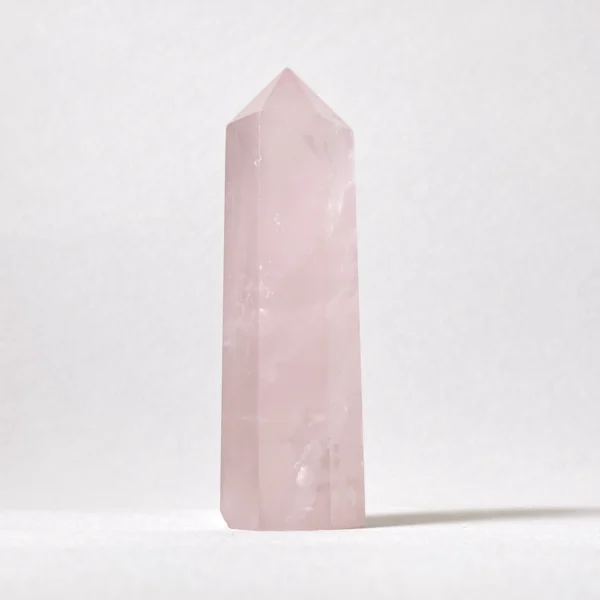
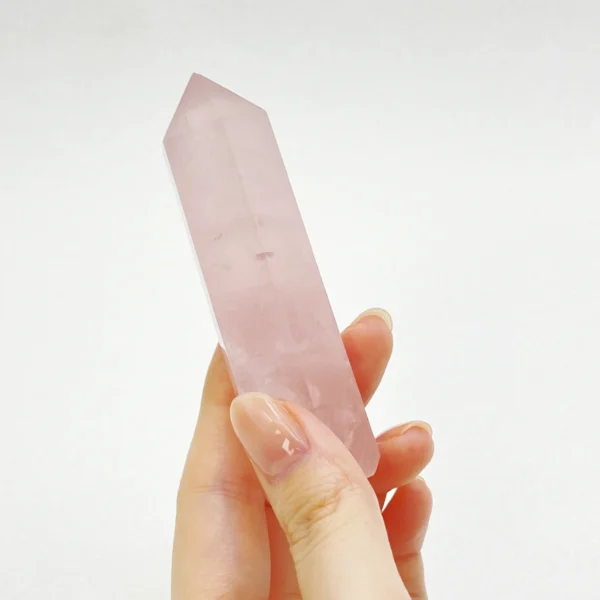
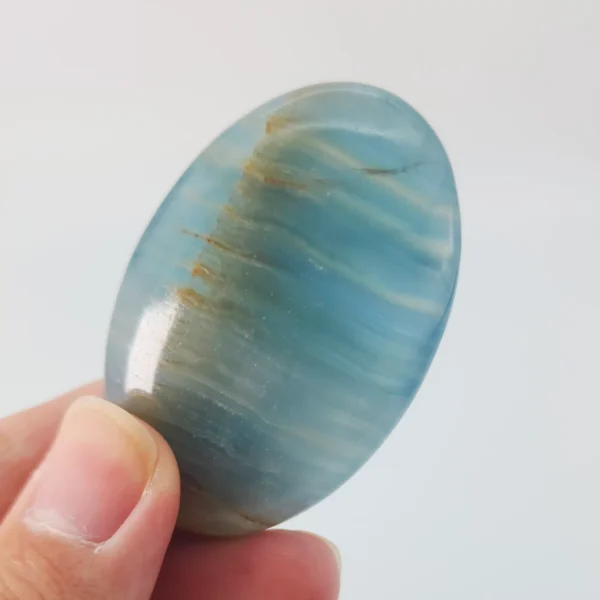
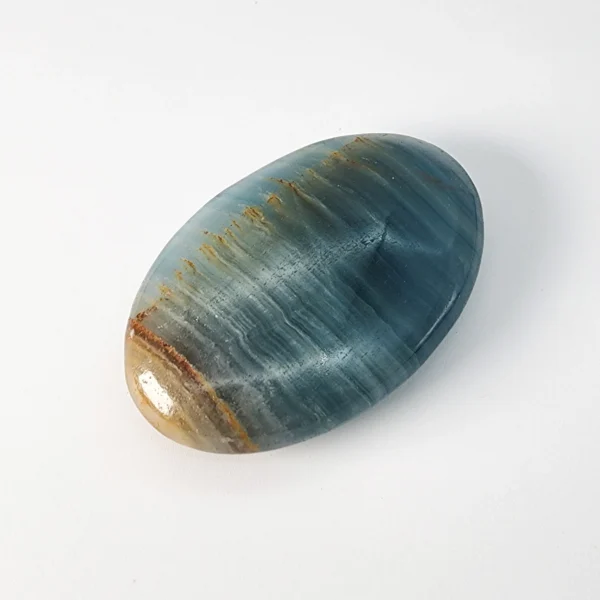
Rose quartz and pink opal are both pink heart chakra stones, but they work differently — rose quartz is steadier and more widely versatile, while pink opal is gentler, more emotionally delicate, and particularly suited to deep grief and childhood wound healing. They’re not interchangeable, and the visual similarity between the two leads a lot of people to choose one when they’d actually benefit more from the other.
Both are worth knowing. The choice between them depends on what you’re working with emotionally and how you plan to use the stone. For the full picture on what rose quartz specifically brings, rose quartz’s full healing properties is worth reading alongside this comparison.
At a Glance: Key Differences
| Rose Quartz | Pink Opal | |
| Mineral composition | Silicon dioxide (quartz) | Hydrated calcium silicate |
| Color range | Pale blush to deep dusty rose | Soft pastel pink, often with white patches |
| Mohs hardness | 7 | 5–6.5 |
| Primary energy | Unconditional love, self-worth, emotional steadiness | Gentle healing, emotional release, inner child work |
| Chakra | Heart | Heart, higher heart |
| Water safety | Brief rinsing only | Avoid water — porous and absorbs moisture |
| Sunlight | Fades with prolonged exposure | Fades and can crack with heat exposure |
| Best for | Everyday wear, self-love, relationships, grief | Deep emotional healing, anxiety, sleep, trauma |
| Price point | Very accessible | Slightly higher; quality varies widely |
| Origin | Brazil, Madagascar, South Africa | Peru, Mexico, Australia |
What Rose Quartz Does Best
Rose quartz works at the level of everyday emotional life — self-worth, the quality of your inner dialogue, how openly you give and receive love, and how you navigate relationship dynamics. Its energy is consistent and reliable, which makes it a natural everyday companion rather than a stone you bring out for specific healing work.
It’s one of the most versatile heart chakra stones available. It works equally well worn as jewellery, placed in a room, used in meditation, or kept as a pocket stone. The effects are gradual and accumulative rather than immediate — most people notice the shift in retrospect, through changes in how they respond to situations rather than through a single obvious moment.
For people working specifically with love, relationships, and attraction, rose quartz is the foundational stone — our guide to crystals for love and relationships covers the broader range of options and how rose quartz sits within that landscape.

What Pink Opal Does Best
Pink opal works at a deeper and more specific layer than rose quartz. Where rose quartz supports the ongoing quality of your emotional life, pink opal is associated with reaching into older, more entrenched emotional material — childhood wounds, patterns of emotional shutdown, grief that hasn’t fully moved through.
Its energy is described consistently as extremely gentle — softer even than rose quartz, with a quality that feels almost diffuse. This makes it less suitable as an everyday stone for most people and more effective as something you work with intentionally during specific healing periods. It doesn’t push emotional processing the way some stones do. It creates a very quiet, safe internal environment in which older feelings can surface without becoming overwhelming.
Pink opal is also one of the more commonly recommended stones for anxiety and emotional overwhelm, specifically because of how non-forceful its energy is. For sensitive people, empaths, or anyone who finds more intense stones like labradorite or moldavite too activating, pink opal offers a very accessible entry point.

The Practical Differences That Matter
Beyond their energetic qualities, rose quartz and pink opal have meaningful practical differences worth knowing before you buy.
Durability: Rose quartz at Mohs 7 is significantly harder than pink opal at 5–6.5. Pink opal chips and scratches more easily, particularly in ring settings or any jewellery that takes regular impact. For daily wear, rose quartz is the more durable choice. For display, meditation work, or occasional use, pink opal’s softer hardness isn’t a problem.
Water sensitivity: Pink opal is porous in a way that rose quartz isn’t. It absorbs moisture, which causes internal stress and can lead to cracking over time. Pink opal should be kept away from water entirely — no rinsing, no water cleansing, and care around humidity. Rose quartz tolerates brief water contact, though prolonged soaking is still not recommended for either. For a full overview of which pink crystals aren’t water-safe, that guide covers the detail for your whole collection.
Color stability: Both stones are sensitive to prolonged direct sunlight, but pink opal is more vulnerable — the combination of heat and UV can cause color fading and physical cracking in opal faster than in quartz-based stones. Moonlight and selenite are the safe charging methods for both.

Choosing Between Them
The decision comes down to two questions: what you’re working on emotionally, and how you plan to use the stone day-to-day.
Choose rose quartz if you want an everyday companion for self-love, relationship work, or emotional steadiness. You plan to wear it regularly or carry it daily. You want something durable and versatile that works across a wide range of situations. You’re new to working with heart chakra stones and want a reliable starting point.
Choose pink opal if you’re in a specific period of deep emotional healing — processing grief, working through childhood patterns, or recovering from emotional trauma. You’re a sensitive person or empath who finds more intense stones overwhelming. You want something gentle for sleep or anxiety support. You’re drawn to working with the stone intentionally rather than wearing it daily.
Choose both if you want rose quartz as your everyday stone and pink opal for specific deeper healing work. They complement each other well — rose quartz provides the ongoing foundation, pink opal supports the more targeted inner work. Using them together doesn’t create conflict.
Whichever you choose, quality matters. Both stones are subject to dyeing and misrepresentation at lower price points — pale pink glass, dyed howlite, and synthetic opal are all sold as genuine stones by less scrupulous sellers. Knowing how to check if your rose quartz is genuine before buying saves disappointment later.
FAQ
Is rose quartz or pink opal better for love? Rose quartz is the more established choice for love and relationship work — its energy is directly associated with the heart chakra and romantic connection. Pink opal supports the self-healing that often needs to happen before healthy relationships become possible. For most people, rose quartz is the starting point for love-focused crystal work.
Can you use rose quartz and pink opal together? Yes. They work well together because they address different layers of emotional experience — rose quartz for ongoing self-love and relationship energy, pink opal for deeper healing. Using both in a meditation session or placing them together on a bedside table is a common pairing.
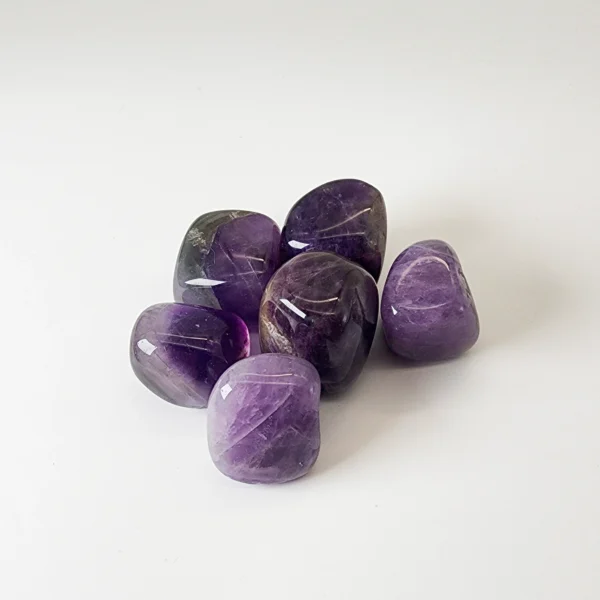
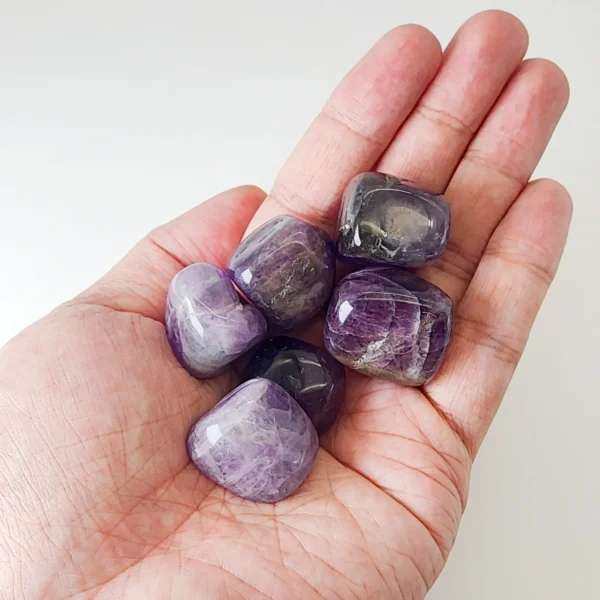
How do you tell rose quartz and pink opal apart? Rose quartz tends toward a consistent translucent-to-opaque pink with an even color and a slightly waxy surface. Pink opal is more opaque with a softer, almost chalky finish, often with white patches or streaks. Opal also typically feels slightly lighter than quartz of a similar size. If you’re unsure, a reputable seller should be able to identify the stone definitively.
Is pink opal rarer than rose quartz? Yes. Pink opal — particularly high-quality Peruvian or Andean opal — is less abundant than rose quartz, which is one of the most common minerals on earth. This contributes to pink opal’s slightly higher price point at equivalent quality levels.
Does pink opal need special care? More than rose quartz, yes. Its porosity means no water contact, no salt cleansing, and storage away from prolonged humidity. It’s also more prone to chipping, so soft storage — wrapped in cloth, away from harder stones — is worth the habit.