Hold crystals in your left hand to receive their energy, and in your right hand to project or release energy outward. This is the foundation most crystal practitioners work from — the left hand is considered receptive, drawing in energy from the crystal; the right hand is considered projective, sending energy out.
For most people new to crystal meditation, left hand is the starting point. But there’s more nuance to it than a single rule, and understanding the logic behind it lets you make a better choice for what you’re actually trying to do.
The Left Hand, Right Hand Principle Explained
The idea that our hands have different energetic roles isn’t unique to crystal work. It appears across various healing traditions, and in practical terms, most people find it maps onto something they can actually feel during meditation.
The left hand is your receiving hand — it draws energy inward. When you hold a crystal in your left hand during meditation, the intention is that you’re open to receiving whatever that stone offers: its calming frequency, its grounding quality, its particular energetic signature.
The right hand is your projecting hand — it sends energy outward. Holding a crystal in your right hand during meditation is more active. You might do this when you’re working with intention-setting, releasing something you want to let go of, or directing energy toward a specific goal.
For most people, left hand equals receiving and right hand equals projecting. But there’s a common variation worth knowing.
Does Your Dominant Hand Change the Rule?
Some practitioners flip the framework based on dominant hand rather than left-right. In this view:
- Your non-dominant hand is your receiving hand
- Your dominant hand is your projecting hand
For most people, the dominant hand is the right, so the two systems align. But if you’re left-handed, this approach would suggest your right hand receives and your left projects — the opposite of the standard rule.
There’s no universal agreement here, and it’s worth trying both and noticing what feels more natural to you. Crystal work is interpretive, not prescriptive. If you’re left-handed and the standard left-receives rule feels off, experiment with reversing it.
When to Use Each Hand: A Practical Guide
Rather than memorizing a rule, it helps to think about what you’re trying to accomplish in a given meditation session.
Use left hand (receiving) when:
- You want to absorb a crystal’s calming or healing energy
- You’re feeling depleted and want to draw in support
- You’re working with stones known for their receptive qualities — rose quartz, amethyst, lepidolite
- You’re a beginner and not sure where to start
Use right hand (projecting) when:
- You’re setting a specific intention and directing energy toward it
- You’re working on releasing — grief, anxiety, a habit, an old pattern
- You’re using a crystal to amplify something you want to send outward — gratitude, love, healing toward someone else
- You’re working with high-vibration stones like selenite or clear quartz in an active practice
Use both hands simultaneously when:
- You want to create a circuit — receiving with the left, processing through your body, projecting with the right
- You’re working with two complementary crystals (e.g., amethyst in the left for calm, clear quartz in the right for clarity)
- You’re doing a longer, deeper meditation and want to work with multiple energies at once
Holding a crystal in both hands cupped together is also common — this is less directional and more about connection and presence, which suits open-awareness styles of meditation.

Does It Actually Matter Which Hand You Use?
Honestly — the intention behind the practice matters more than which hand is holding the stone.
The left-receives, right-projects framework is a useful starting structure, especially when you’re learning. It gives your mind something to anchor to, which helps with focus during meditation. But crystal work isn’t a system where the wrong hand placement cancels out the effect.
If you sit down to meditate, hold a stone in whichever hand feels comfortable, set a clear intention, and actually stay present — that will serve you better than anxiously switching hands trying to get the “right” configuration.
That said, many experienced practitioners do notice a difference. The left hand often produces a more receptive, inward-focused experience. The right hand often feels more active. It’s worth paying attention to and developing your own sense of it over time.
What About the Type of Crystal?
The crystal itself also influences how you work with it, not just which hand it’s in. Some general patterns:
Crystals often held in the left hand: Rose quartz (self-love, receiving), moonstone (intuition, emotional receptivity), lepidolite (anxiety relief, drawing in peace), amethyst (anxiety relief, drawing in calm) — see the full guide to crystals for anxiety for how to use it beyond meditation.
If you’re building your first collection and deciding which stones to work with in meditation, our guide to essential crystals for beginners covers the starting seven in full.
Crystals often held in the right hand: Black tourmaline (releasing and projecting protection outward), citrine (projecting abundance and positive energy), selenite (directing cleansing energy), clear quartz (amplifying and directing intention).
Crystals that work well in either hand: Obsidian, labradorite, tiger’s eye, and many grounding stones can support your intention regardless of which hand you choose.
For a fuller guide on which specific stones work best for meditation practice, our article on the best crystals to hold during meditation goes through the top picks with their specific uses.

How to Hold a Crystal During Meditation
The mechanics are simple, but a few details make a difference:
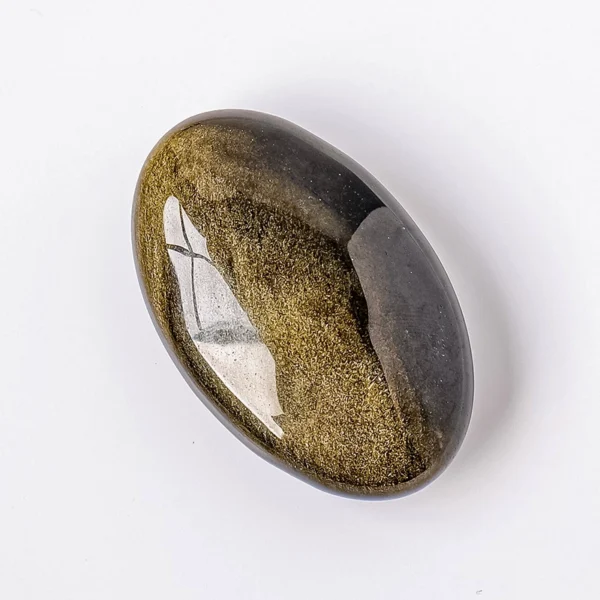
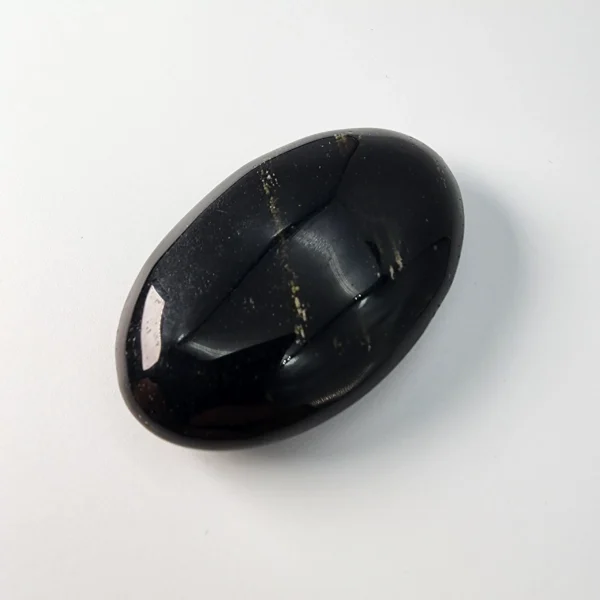
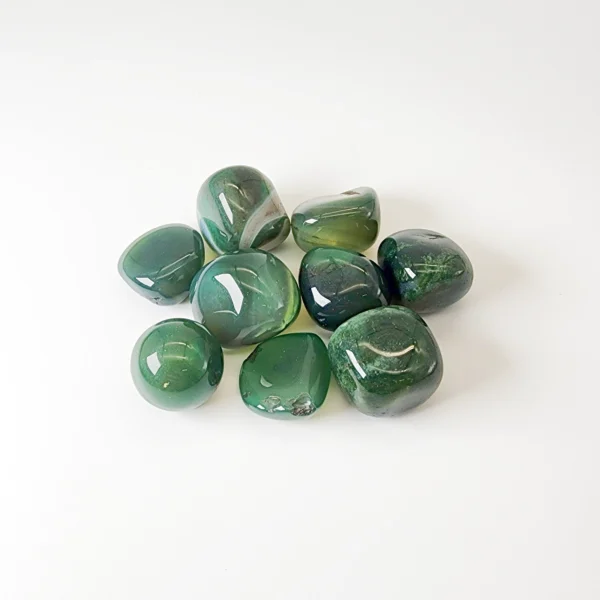
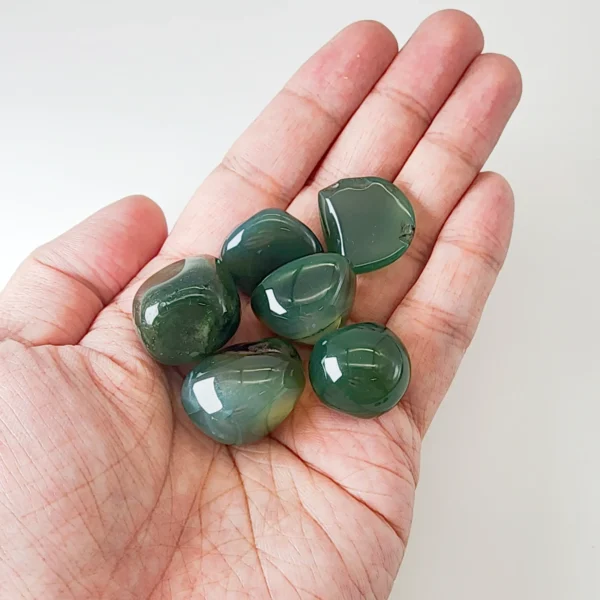
Choose the right size and shape. Palm stones and tumbled crystals are especially practical for hand-held meditation because they fit comfortably in your palm without requiring an active grip. You can also hold points and wands, although they require more conscious positioning.
Relax your grip. You don’t need to squeeze the crystal. Rest it in your open palm with your fingers loosely curled. Tension in your hand creates tension in your body, which works against the settling quality most crystal meditations are going for.
Give it a few minutes to settle. When you first pick up a crystal at the start of a session, your mind is often still scattered. Don’t evaluate anything about how it feels in the first two minutes. Let your body and breath settle first, then notice what you notice.
Try closing your eyes and shifting attention to your palm. The physical sensation of the stone — its temperature, weight, texture — gives your mind something specific to rest on, which is useful if you find open-focus meditation difficult.
If you’re ready to go deeper with your practice, our complete guide to meditating with crystals covers everything from preparation and cleansing to specific techniques for different intentions.

FAQ
Which hand do you hold a crystal in during meditation? Many practitioners use the left hand to receive energy from a crystal and the right hand to project energy outward. For most beginners, starting with the left hand — your receptive hand — is the natural starting point.
Does it matter which hand you hold a crystal in? It matters less than your intention does. The left-receives, right-projects framework is a useful guide, but crystal work isn’t so rigid that the wrong hand position cancels out the practice. Set a clear intention and stay present — that matters more than hand placement.
What if I’m left-handed? Some practitioners follow the dominant and non-dominant hands rather than thinking in terms of left and right. If you’re left-handed, you may find that your right hand feels more receptive while your left hand feels more projective. Try both and notice which feels more natural to you.
Can you hold a crystal in both hands during meditation? Yes. Cupping a crystal in both hands is common and creates a different quality of connection — less directional, more about presence and grounding. Holding different crystals in each hand simultaneously is also an option for working with complementary energies.
Where else can you place crystals during meditation? Beyond holding them in your hands, you can place crystals on your chest, stomach, or forehead, or arrange them in a circle around your meditation space. Each placement corresponds to different chakra points or energetic intentions. For sleep specifically, holding crystals as you drift off has its own practice — see our guide to crystals to hold while falling asleep.
Do you have to hold crystals to meditate with them? No. Holding a crystal is one approach, but placing stones nearby, on an altar in front of you, or arranged in a grid around your meditation space all work. Physical contact isn’t a requirement — proximity and intention are what most practitioners consider most important.