Amazon sells both genuine and fake crystals — often in the same search results, sometimes from the same seller, occasionally in the same product listing. The platform doesn’t verify whether crystals are authentic, natural, or accurately described. That responsibility falls entirely on the buyer.
The encouraging part: most common crystals aren’t expensive to source genuinely. Amethyst, rose quartz, black tourmaline, and carnelian are all abundant minerals available at low prices when genuine. The problem isn’t that cheap automatically means fake — it’s that the marketplace structure of Amazon creates specific conditions that allow misrepresentation to thrive, and knowing what those conditions look like is the practical skill that separates a good online purchase from a disappointing one.
This guide covers the real landscape of buying crystals on Amazon: what the actual risks are, what the red flags look like, what genuine low-price crystals do exist, and how to buy online safely when Amazon or a similar marketplace is your primary option. For context on the essential beginner crystals worth buying and what genuine specimens of each look like, that guide is a useful companion to this one.

The Real Risk Landscape on Amazon
Understanding the specific types of misrepresentation on Amazon is more useful than a blanket warning. Not all fake crystals are the same, and the risks vary by stone type and price point.
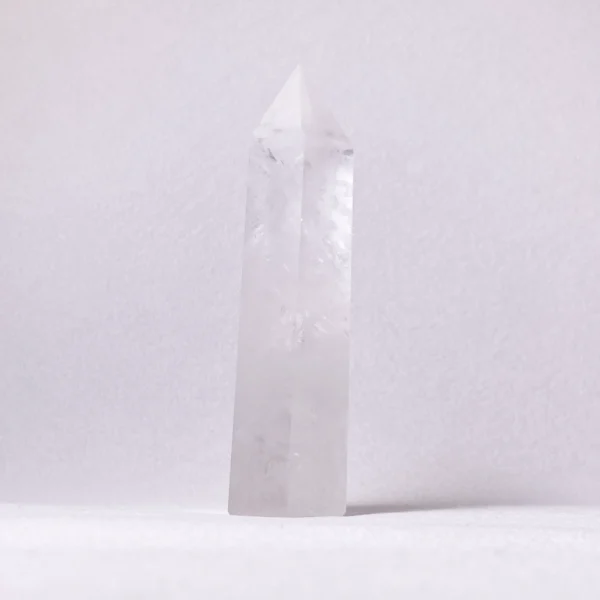
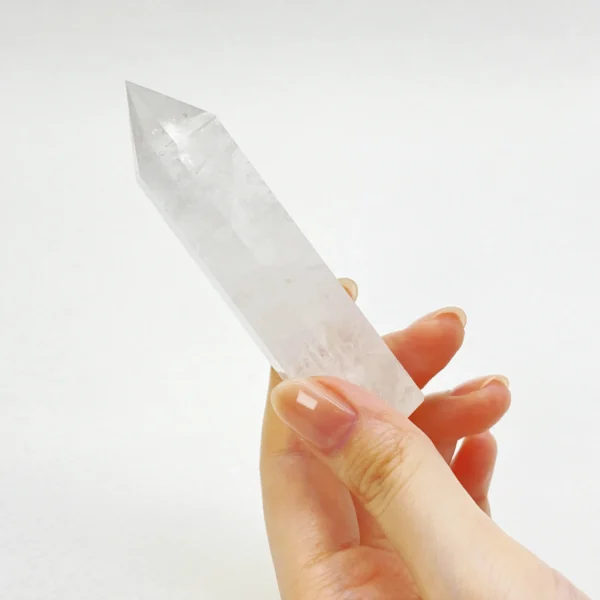
Glass imitations are the most common substitute for transparent or translucent stones — particularly clear quartz, rose quartz, amethyst, and selenite. Glass can be produced in any colour, polished to a convincing finish, and sold in bulk at prices lower than genuine mineral material. The tell is usually in the temperature test (glass warms faster than quartz) and in the presence of air bubbles visible under magnification.
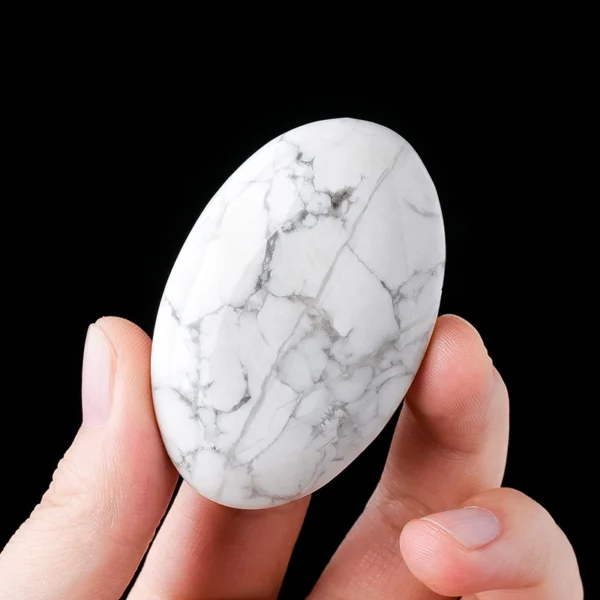
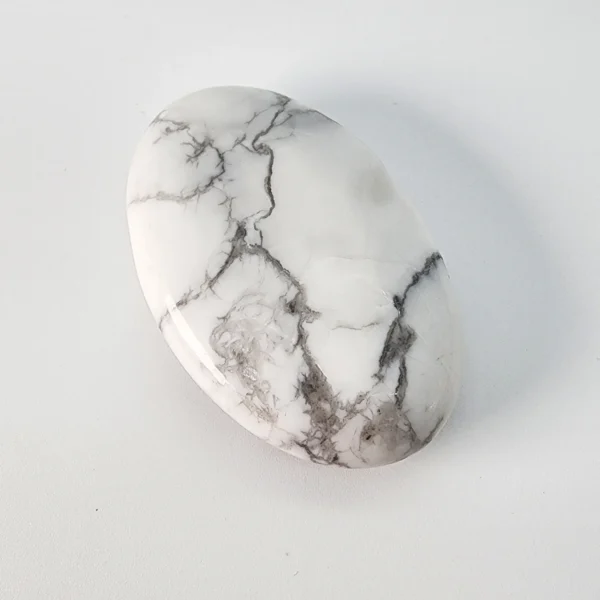
Dyed stones are a different category: real minerals with artificial colour added. Dyed howlite sold as turquoise is the most common example, but dyed agate, dyed quartz, and dyed calcite are all common. These are technically genuine minerals — they’re not glass — but they’re not the stone they’re labelled as.
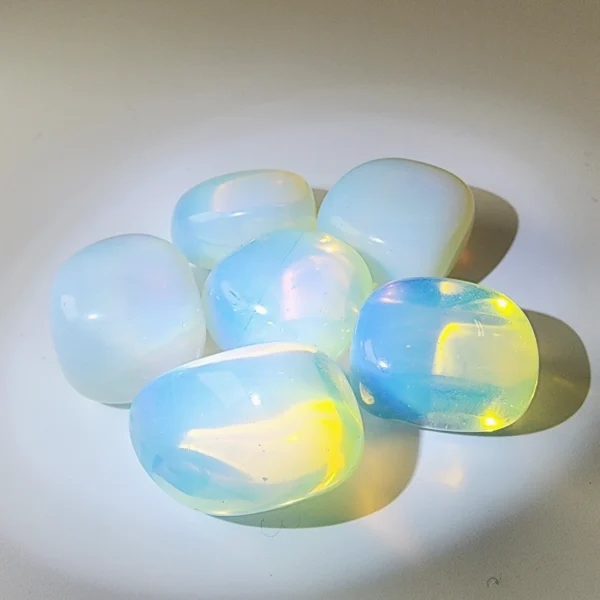
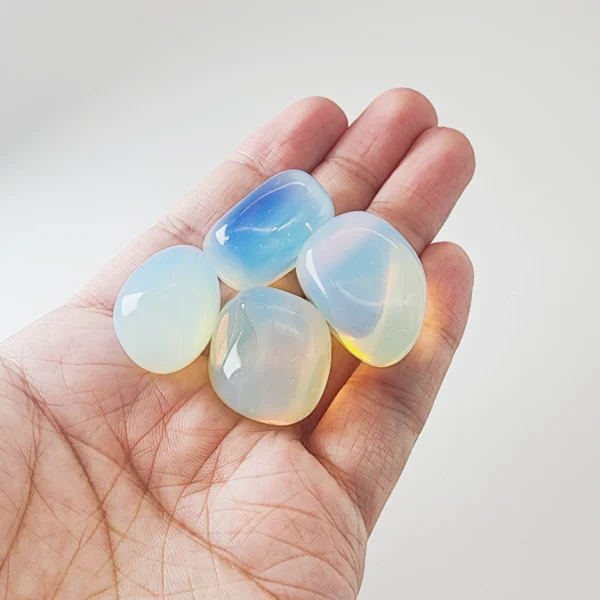
Synthetic crystals are manufactured to replicate natural mineral composition and are a more complex category than most buyers expect. Synthetic quartz is chemically identical to natural quartz and passes most at-home tests. Synthetic opal is common and often beautiful. These aren’t necessarily low quality — the question is whether they’re disclosed as synthetic, which they should be. The difference between natural and synthetic crystals is worth understanding as a separate topic from fakes.
Mislabelled genuine stones are perhaps the most frustrating category: real crystals that simply aren’t the stone they’re described as. Pink opal sold as rose quartz, howlite sold as white turquoise, citrine sold as natural when it’s heat-treated amethyst. These are real minerals — they have their own genuine properties — but they’re not what you paid for.
The Red Flags to Look For Before Buying
These are the specific signals that indicate higher risk in an Amazon crystal listing:
The same generic product photo across multiple sellers. When twenty different Amazon sellers show the identical photograph of a crystal — the same angle, the same background, the same lighting — it means they’re all using a stock or manufacturer image rather than a photo of their actual inventory. What you receive may look nothing like what was pictured. Genuine sellers photograph their own stock.
Unusually perfect specimens at very low prices. Natural crystals have inclusions, variations, and imperfections. A deep, perfectly saturated amethyst with zero natural variation, available for three dollars, is almost certainly glass or heavily treated material. Perfect clarity and perfect colour at very low prices are quality red flags rather than quality indicators.
No information about origin or sourcing. Genuine crystal sellers typically know — and state — where their material comes from. A listing that provides no geological origin information for any of its products is operating without that knowledge, which usually means bulk-sourced material of unknown provenance and quality.
Hundreds of identical product listings from a single seller. A seller with two thousand identical-looking crystal listings, all with stock photos and no variation between specimens, is operating as a dropshipping operation rather than a genuine crystal business. The material passes through multiple hands with no quality control at any stage.
Reviews that mention colour difference from photos. Sort Amazon reviews by “most critical” rather than “top” and specifically look for mentions of colour being different from the listing, stones being obviously glass, or material feeling lighter than expected. These are the clearest real-world signals of misrepresentation that appear in review sections.
Prices that are implausibly low for the size. A genuine palm-sized amethyst cluster will cost more than a few dollars — the material cost and labour to mine, process, and ship it have a floor. When prices are far below what the genuine material should cost, that gap needs to be accounted for somewhere, and it’s usually in the quality of what you receive.
What Genuine Low-Price Crystals Actually Look Like
Low price doesn’t automatically mean fake. These genuine situations produce low prices without misrepresentation:
Common stones in small sizes. Tumbled rose quartz, amethyst chips, small carnelian pieces, and clear quartz points are abundant minerals that genuinely cost very little in small sizes. A bag of ten small tumbled amethyst pieces for a few dollars from a seller who photographs their own stock and discloses their sourcing is probably genuine.
Lower-grade material is sold honestly. Not all crystals are gem-quality. Cloudy amethyst, pale rose quartz with natural imperfections, and rough black tourmaline with visible fractures are all genuine — they’re lower in visual quality, not in energetic quality, and they’re appropriately priced lower. A seller who honestly describes “lower grade, pale colour, natural inclusions” and prices accordingly is being straightforward.
Smaller independent sellers are using Amazon as a sales channel. Some genuine crystal businesses sell on Amazon alongside their own websites and Etsy shops. These sellers tend to have their own product photos, detailed descriptions with sourcing information, and a consistent brand identity across their listings. They’re not dropshipping manufacturers — they’re real people selling real stones.

Testing What You Receive
Even with careful selection, online purchases don’t always match expectations. When your crystals arrive, run basic checks before putting them into regular use.
The temperature test is the fastest first check for any transparent or translucent stone: hold it in your closed hand for 30 seconds. Genuine quartz stays noticeably cooler longer than glass. If it warms quickly to body temperature, investigate further.
Look for natural inclusions under magnification — a phone camera in macro mode is sufficient. Natural inclusions are irregular in shape. Glass bubbles are spherical and regular.
Check the colour distribution: natural colour variations are uneven and internally distributed. Dyed colour concentrates in surface cracks and grain boundaries.
For rose quartz specifically, how to test rose quartz specifically covers the complete set of at-home tests — the same principles apply to most coloured quartz varieties.

Synthetic vs Fake: An Important Distinction
Synthetic crystals and fake crystals are not the same thing, and conflating them leads to unfair judgments about some genuinely useful products.
A synthetic crystal is manufactured to replicate the mineral composition of a natural stone. Synthetic quartz is used in electronics and watches precisely because it’s chemically identical to natural quartz. Synthetic opal is produced by legitimate manufacturers and sold as such by ethical retailers. The issue isn’t synthesis — it’s disclosure.
A fake crystal is something sold as a natural stone when it isn’t — glass sold as quartz, dyed howlite sold as turquoise, resin sold as amber. The deception is the problem, not the material itself.
When evaluating an Amazon listing, the question isn’t “is this natural or synthetic” — it’s “does the listing accurately describe what it is.” Synthetic sold as synthetic is honest. Natural sold as something else is the fraud worth avoiding.
A Practical Strategy for Buying Online
When Amazon or a similar marketplace is your primary purchasing channel, these habits consistently produce better outcomes:
Search the seller’s name alongside “crystals” or “minerals” to find their own website or Etsy shop. Many genuine sellers operate across multiple platforms. Reading reviews on their own site or Etsy — where review manipulation is harder — gives you a more reliable quality signal than Amazon reviews alone.
Prioritise sellers who photograph their own inventory — varying angles, natural lighting, multiple specimens of the same type showing natural variation. This is the single strongest indicator of a genuine operation.
Read the product description carefully for sourcing information, size specifications, and honest notes about natural variation. Vague descriptions that simply list properties without any practical information about the actual material are a warning sign.
Buy small quantities first from any new seller. A five-dollar test purchase before a fifty-dollar order is a reasonable approach to an unfamiliar source.
Once you have a sense of how to approach crystal selection more broadly, how to choose the right crystal for your needs takes the wider view — because knowing what to look for in a stone is as important as knowing where to buy it.
FAQ
Are all cheap crystals from Amazon fake? No. Common crystals like amethyst, rose quartz, and black tourmaline are genuinely inexpensive minerals that can be sold at low prices when authentic. The risk isn’t price itself — it’s the absence of transparency about sourcing, the use of stock photography, and the marketplace conditions that reward volume over quality. Apply the red flag checklist to specific listings rather than making blanket judgments by price.
Is Etsy more reliable than Amazon for crystals? Generally, yes, for specific reasons. Etsy’s marketplace structure favours individual sellers over dropshipping operations, and the review system is harder to manipulate than Amazon’s. Many genuine crystal sellers who operate on both platforms have better documentation, genuine photographs, and more personal customer interaction on Etsy. That said, the same red flags apply — Etsy has its share of misrepresented listings, particularly for higher-value stones.
What should I do if I receive a fake crystal? Request a return through Amazon’s buyer protection — fake or misrepresented goods are a valid basis for return. Leave an honest review describing what you received versus what was advertised. This is the most effective consumer response and the one that has the most impact on seller behaviour over time.
Can I trust crystals with a certificate of authenticity? Certificates of authenticity for common crystals are largely meaningless — there’s no regulated body issuing them, and they’re trivially easy to produce. A certificate from a genuine gemological laboratory (GIA, IGI) is meaningful for precious and semi-precious gemstones at higher price points. For common healing crystals at typical price points, the seller’s photography, sourcing transparency, and review history are more reliable indicators than any certificate.
Does buying cheap crystals affect their energy? The energetic properties of a genuine crystal don’t change based on how much you paid for it. A ten-dollar tumbled amethyst has the same properties as a hundred-dollar museum-quality specimen. The issue with cheap crystals isn’t energetic — it’s whether you’ve actually received amethyst. If it’s genuine, the price paid doesn’t affect what it does.