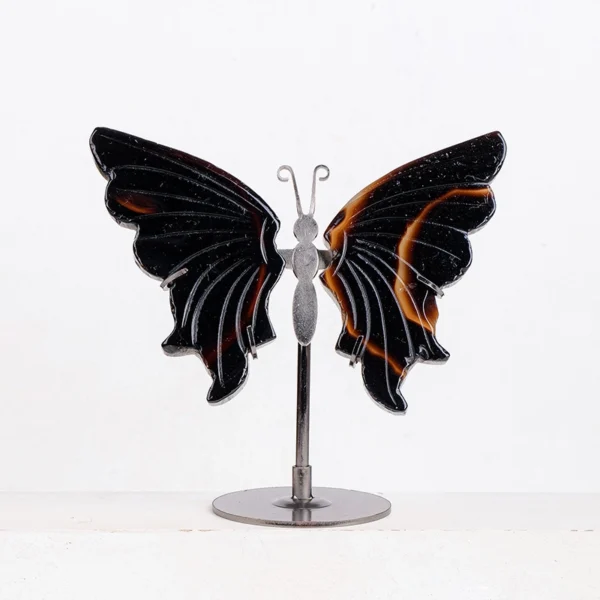
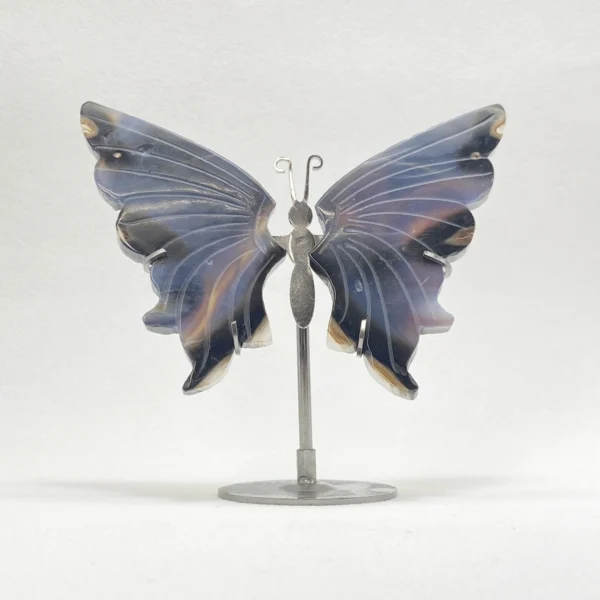
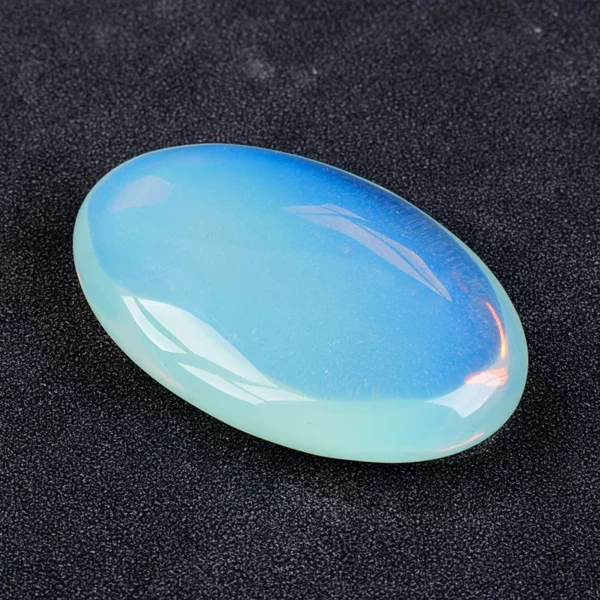
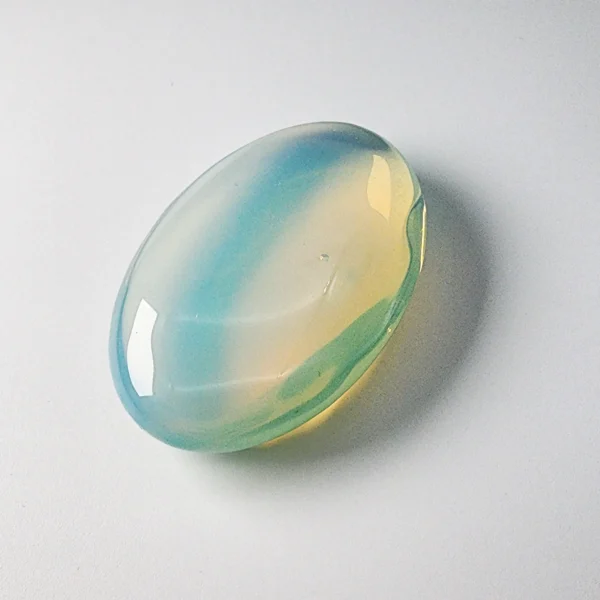
Black tourmaline and blue lace agate are the most effective crystals for panic attacks — one addressing the disconnected, ungrounded quality of acute panic, the other targeting the physical activation that drives it. Used together at the onset of a panic episode, they interrupt the escalating pattern before it reaches peak intensity.
Panic attacks are different from general anxiety, and crystals for panic attacks need to be chosen accordingly. General anxiety responds to quieting and calming stones. Acute panic needs something that acts faster, more physically, and more directly on the body’s activation state. For the broader landscape of a complete guide to anxiety crystals, including stones suited to ongoing rather than acute anxiety, that guide covers everything beyond this specific scenario.
Why Panic Attacks Need a Different Approach
During a panic attack, the rational mind is largely offline. The body’s threat-response system has activated — heart rate increases, breathing shallows, muscles tense, perception narrows. Telling yourself to calm down at this point is ineffective precisely because the part of your brain that processes verbal reassurance is temporarily overwhelmed.
Crystals work differently. They provide a physical object to attend to — weight, texture, temperature — that gives the nervous system something present and concrete to anchor to. This bypasses the verbal-rational layer and works at the level of sensory attention instead.
The goal in a panic attack isn’t to eliminate the experience immediately. It’s to interrupt the escalating pattern and give the nervous system a foothold back toward regulation. Crystals, used correctly, provide that foothold.
The Best Crystals for Panic Attacks
Black Tourmaline: For Disconnection and Unreality
The dissociative quality of panic — the sense of unreality, of watching yourself from outside, of not being fully present in your own body — is where black tourmaline works most directly.
Its grounding quality is the fastest-acting somatic effect of any common crystal. Most people who carry it regularly notice the anchoring sensation within the first few days. During acute panic, this grounding effect provides the physical reference point that the activated nervous system is desperately seeking.
Hold it in whichever hand you can access quickly. Press it firmly into your palm rather than resting it lightly — deliberate physical pressure increases somatic attention. Feel its weight, its ridged texture, its temperature against your skin.
For black tourmaline’s grounding properties in full, including why its specific mineral composition produces this effect and the complete range of its protective uses, that guide covers the depth this emergency-use article can only summarise.
Blue Lace Agate: For Physical Activation
Where black tourmaline addresses the psychological layer of panic, blue lace agate works on the physical symptoms — the tight chest, the shallow breathing, the throat constriction that makes speaking difficult during acute episodes.
Its cooling, throat-chakra quality has a genuinely physical quality that most people notice on first contact. Press it against your sternum or throat rather than simply holding it in your hand. This placement gives the stone direct contact with the areas of the body where panic typically concentrates.
Blue lace agate is particularly useful for panic attacks triggered by social situations or performance contexts, where communication difficulty compounds the physical activation. The stones that help most in those specific situations are also covered in crystals for social anxiety specifically.
Lepidolite: For Fear-Based Panic
Some panic attacks have a clear emotional root — fear of a specific outcome, anticipatory dread, terror about something that might happen. This emotionally rooted panic is different from panic that seems to arise without a clear cause, and lepidolite addresses it more specifically than the other two.
Its natural lithium content — trace amounts within the mica structure — contributes to its emotional steadying reputation. Hold it in your left hand during episodes where fear is the primary driver, and bring one clear present-moment observation to mind alongside it: what you can see, what you can feel physically, what you can hear. This grounds the fear in sensory reality rather than allowing it to escalate in imagination.
For ongoing emotional anxiety rather than acute panic, lepidolite’s full anxiety properties cover how to use it as a longer-term practice.

A Crystal Protocol for Acute Panic
Having the right stones is step one. Knowing how to use them in the moment is what actually matters when panic is occurring.
Before panic escalates — at the first signs of onset:
Notice the early signals — increased heart rate, a shift in breathing, rising dread. This is the most effective window. Take out whatever stone you have available. Black tourmaline is the most useful starting point. Press it firmly into your palm and take one deliberate, slow exhale before anything else.
During acute panic:
Hold the stone in both hands if possible. Press it firmly enough that you can feel the texture clearly. Direct your attention to the physical sensation rather than to thoughts about the panic. Name what you feel from the stone — cool, smooth, ridged, heavy — out loud or silently. Continue slow exhales, longer than your inhales. Stay with the stone rather than trying to think your way out.
As activation decreases:
The phase where panic begins to subside is where many people make the mistake of reviewing the episode — what happened, what might happen again, what it means. Keep attention on the stone for at least another five minutes after the peak passes. This gives the nervous system time to complete its return to baseline rather than triggering a secondary wave.
Building a Panic Attack Kit
A small dedicated kit — two or three stones kept together in an accessible pouch — is more practical than relying on whatever crystal happens to be nearby during a panic episode.
The most effective combination for a compact kit: one tumbled black tourmaline for grounding, one blue lace agate for physical calming, and one lepidolite if fear-based panic is part of your pattern. Keep them in a small soft pouch in your bag, pocket, or bedside drawer — wherever panic is most likely to occur.
The pouch itself becomes a conduit for the habit. Over time, reaching for it becomes a learned pattern interrupt — the act of finding and holding the stones begins the calming process before any specific stone effect kicks in.

Situational Panic: Matching Stone to Trigger
Different panic triggers create different activation profiles, and the most useful stone varies accordingly.
Social or performance panic — presentations, crowded places, situations requiring communication: blue lace agate is the primary stone, held against the throat or carried in the pocket of the hand that’s most likely to reach for it.
Health anxiety panic — fears about physical symptoms, medical situations: lepidolite in both hands with deliberate attention to separating current physical sensations from fearful interpretations of them.
Unexpected, no-clear-cause panic — the kind that arrives without an obvious trigger: black tourmaline pressed firmly into the palm, attention directed entirely to physical grounding rather than to searching for a cause.
Night panic — waking from sleep in a state of panic: selenite on the bedside table creates a lighter ambient quality in the sleep environment, while black tourmaline within reach provides immediate grounding on waking.
After the Episode: Recovery and Reset
The period immediately following a panic attack matters as much as the management during it.
Rest with whatever stone helped during the episode for at least ten minutes afterward. Don’t review or analyse the experience during this window. Don’t attempt to return immediately to whatever triggered it.
Within the next 24 hours, cleanse the stones used during the episode. Panic attacks deposit significant energy in the stones that were present, and working with uncleaned stones subsequently is less effective. Smoke cleansing takes two minutes and thoroughly clears what has accumulated during acute use.
Building a broader crystal anxiety practice — using stones preventively through daily carry and strategic placement — reduces both the frequency and intensity of acute episodes over time. The panic kit matters most for acute management; the ongoing practice is what creates the longer-term change.

FAQ
What are the best crystals for panic attacks? Black tourmaline and blue lace agate are the most effective starting pair — black tourmaline addresses the dissociation and unreality of acute panic, blue lace agate targets the physical symptoms of chest tightness and shallow breathing. Lepidolite is the best addition for panic with a clear fear-based emotional root.
Can crystals stop a panic attack? Crystals interrupt the escalating pattern and provide a somatic anchor that supports the nervous system’s return to baseline. They don’t eliminate the episode immediately, but they reduce intensity and duration when used correctly — particularly when introduced at the first signs of onset rather than at peak activation.
Which hand should I hold crystals in during a panic attack? Whichever hand you can access quickly. The protocol for panic attacks prioritises fast engagement over positional correctness. Once the initial peak begins to subside, the left hand — your receiving hand — is the more conventional placement for absorbing calming energy.
Can I use these crystals if I take medication for panic attacks? Yes. Crystal use is complementary to medication rather than conflicting with it. Crystals work through sensory attention and grounding mechanisms that don’t interact with pharmacological effects. If you take prescribed medication for panic disorders, continue that as directed alongside any crystal practice.
How do I use crystals for panic attacks in public without attracting attention? A tumbled stone in a pocket or bag is entirely inconspicuous. Reaching into your pocket to hold a stone during a panic episode is no more visible than reaching for your phone. Blue lace agate and black tourmaline in small tumbled form are both practical for discreet public use.
Should I tell my doctor I use crystals for anxiety? Mentioning it is generally straightforward — most practitioners are comfortable with patients using complementary approaches alongside conventional treatment. Crystals don’t interfere with diagnosis, medication, or therapeutic approaches, so there’s no clinical reason to conceal their use. Transparency about everything you’re doing to manage your anxiety helps your care team give better-informed support.